


















With the holiday season just around the corner, one holiday most Americans look forward to is the one of gratitude and small blessings (and good cooking from aunts and uncles) — Thanksgiving.
Every November, millions of Americans gather around dinner tables laden with platters of turkey, cranberry sauce, stuffing, mac and cheese and green beans and offer gratitude for their family, friends and health. We crowd around TVs to watch the annual Macy’s Thanksgiving Day Parade in New York City or watch movies.
This day is a holiday wrapped in warmth, with the original tale of the Pilgrims and Wampanoag tribe sharing a peaceful feast in the midst of the birth of the “New World.”
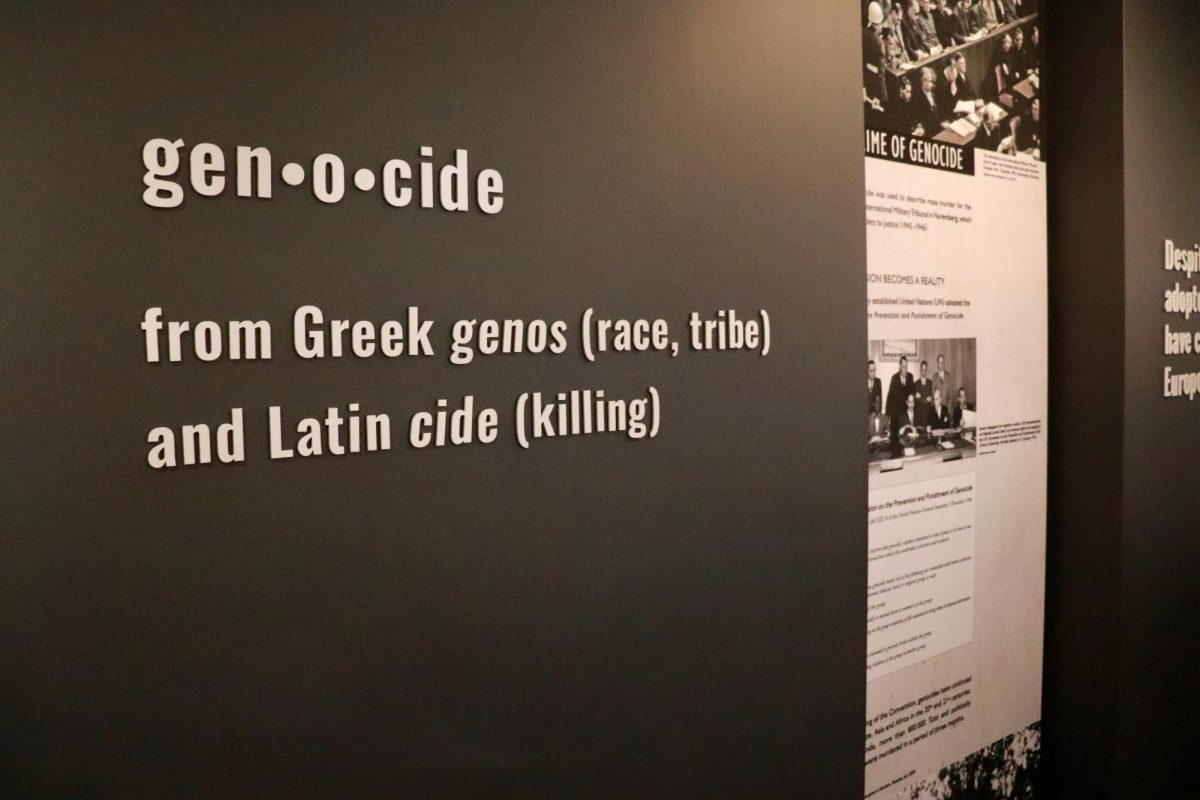
However, our biased knowledge of this beloved holiday runs darker for Native American communities, for whom this day is not about gratitude but rather grief. Thanksgiving exists on the bedrock of violence, land theft and cultural erasure. The Wampanoag tribe in Massachusetts Bay were displaced from their homeland and devastated by disease, warfare and treaties rewritten and broken. And, on the day of Thanksgiving, they experienced the grief and devastation of being betrayed. This was a battle for domination, not friendship.
The centuries of oppression Native Americans faced at the hands of this very nation that has twisted their tale into one of generosity demands a conversation that urges honesty rather than simply ending the tradition it has become. This day is a national one of mourning for Native American communities across America, and we should seek to challenge the sanitization of the holiday that dominates our culture and classrooms.
The duality of the holiday doesn’t take away the warmth, family and food the day has become but rather enriches it with our gratitude for clarity and not romanticizing the wrong tale. As a nation, we are capable of celebrating joy and acknowledging historical trauma. If we are truly committed to gratitude in the season of Thanksgiving, then we also owe gratitude to Native Americans for the truth of where we are today and to confront the reality these tribes and families have lived through for generations in America.
