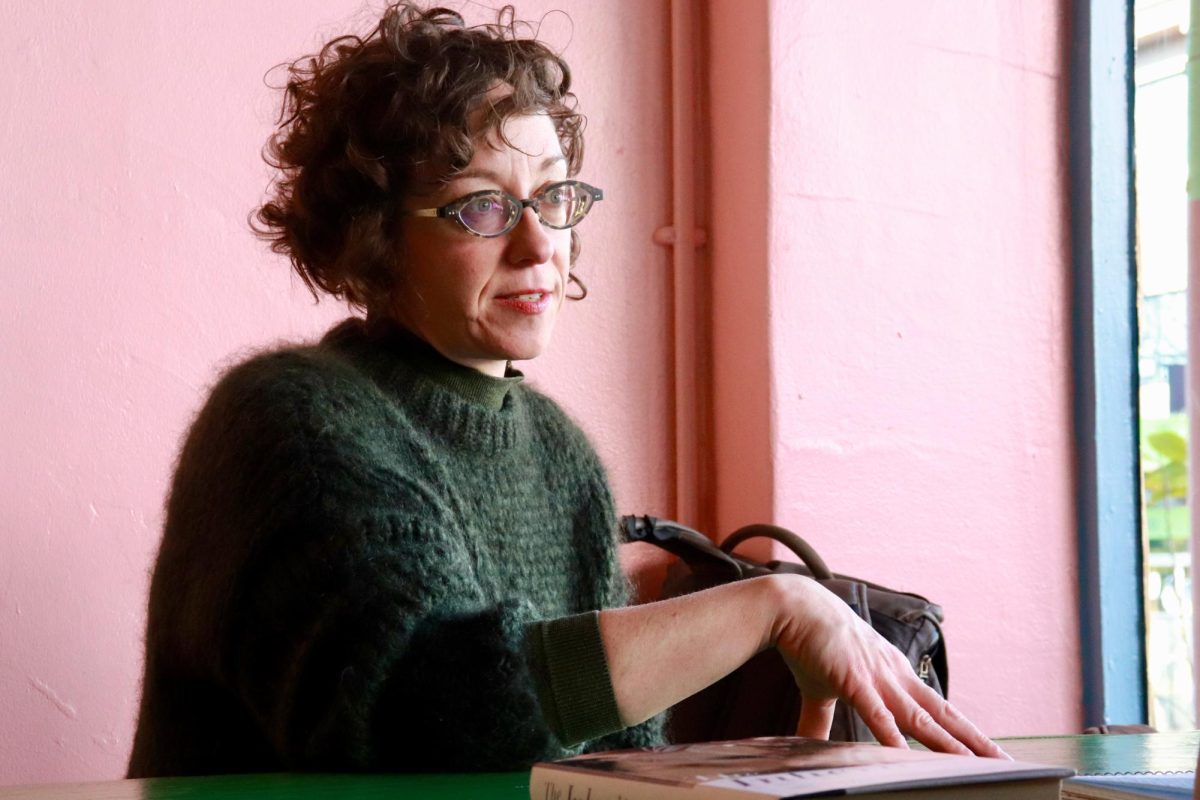

















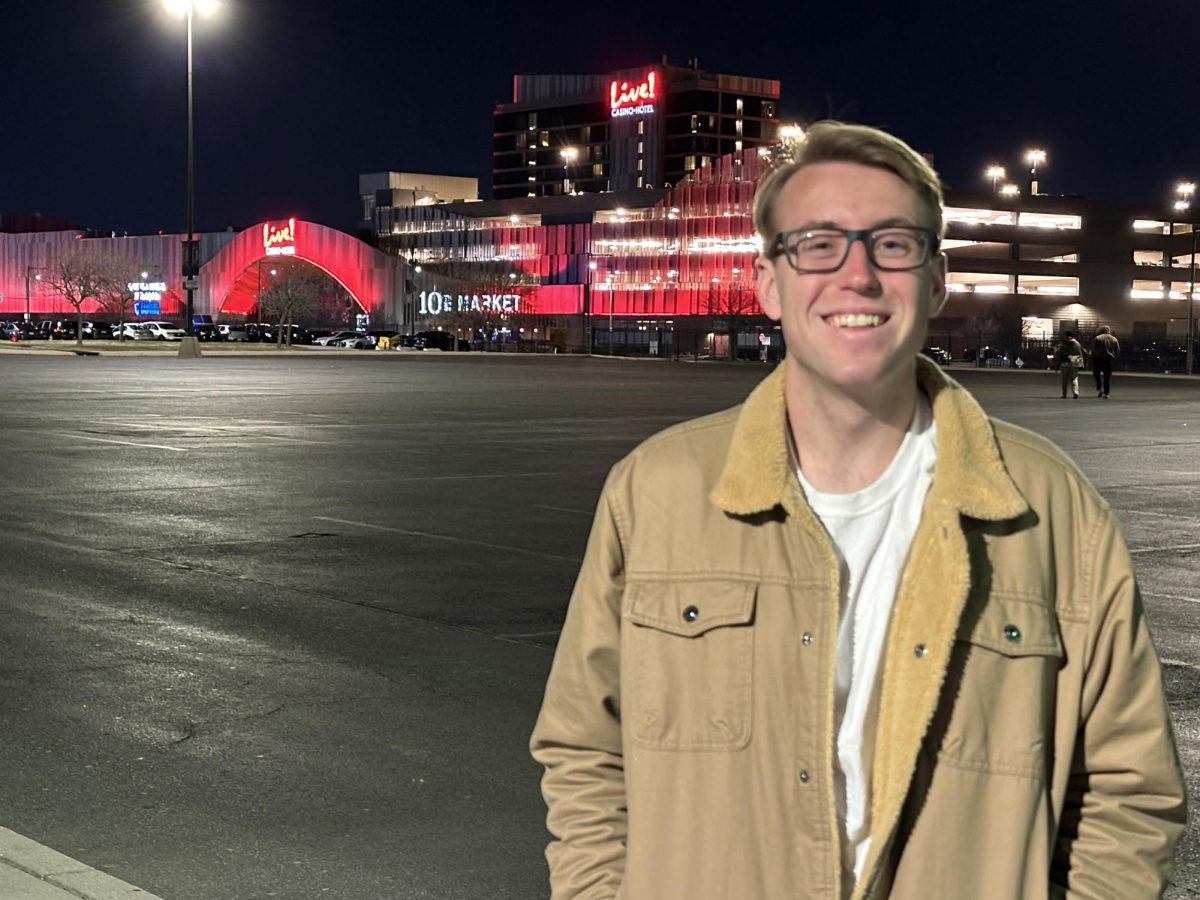






For Sage Olnick, social justice is a calling that influences every facet of her life.
In addition to working as a student success coach at St. Joe’s Lancaster campus, Olnick is a registered nurse, certified healthcare chaplain and an ordained Unitarian Universalist minister.
“To me, it is my obligation and my honor to use my privilege in any way that I can to help those who have been historically marginalized or systematically disadvantaged to thrive,” Olnick said.
That belief led Olnick to board a plane for Minneapolis earlier this year, a city unsettled by immigration enforcement activity. Operation Metro Surge, the U.S. Department of Homeland Security’s largest operation in history, had targeted Minnesota, the Twin Cities of Minneapolis and St. Paul in particular, and involved thousands of armed federal agents.
Olnick knew she needed to help.
“We can’t wait until a crisis arrives at our doorstep to prepare,” Olnick said. “In this moment, we have to look beyond our differences, be it theology, philosophy, even our politics, to understand that each of our humanities is interconnected, and we all need each other in this life.”
In fact, while discerning whether she should travel to Minneapolis, Olnick said she contemplated what she wanted her place in history to be. She thought of Martin Luther King Jr. and felt her call to Minneapolis was akin to King’s call to Selma, Alabama, to advocate for voting rights for Black Americans.
“History books are written after history occurs,” Olnick said. “So, to me, it also felt really important to think about my own understanding of the part of history that I would want to be a member of and be a part of.”
At the end of January, interfaith and community organizing groups in Minneapolis had issued a call for action in the wake of protests and widespread community concern over federal activity in the city. The organizations requested support from faith leaders from various traditions across the nation.
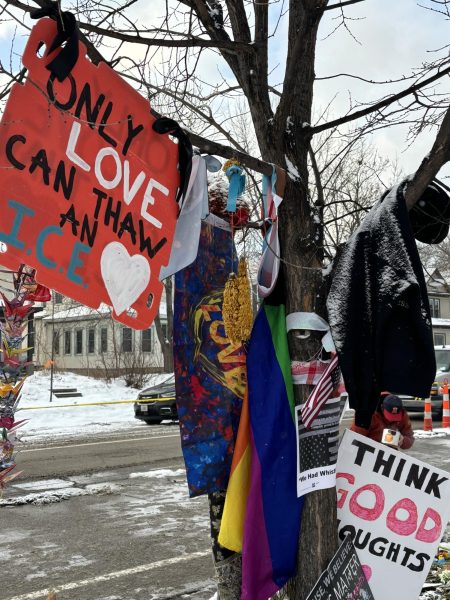
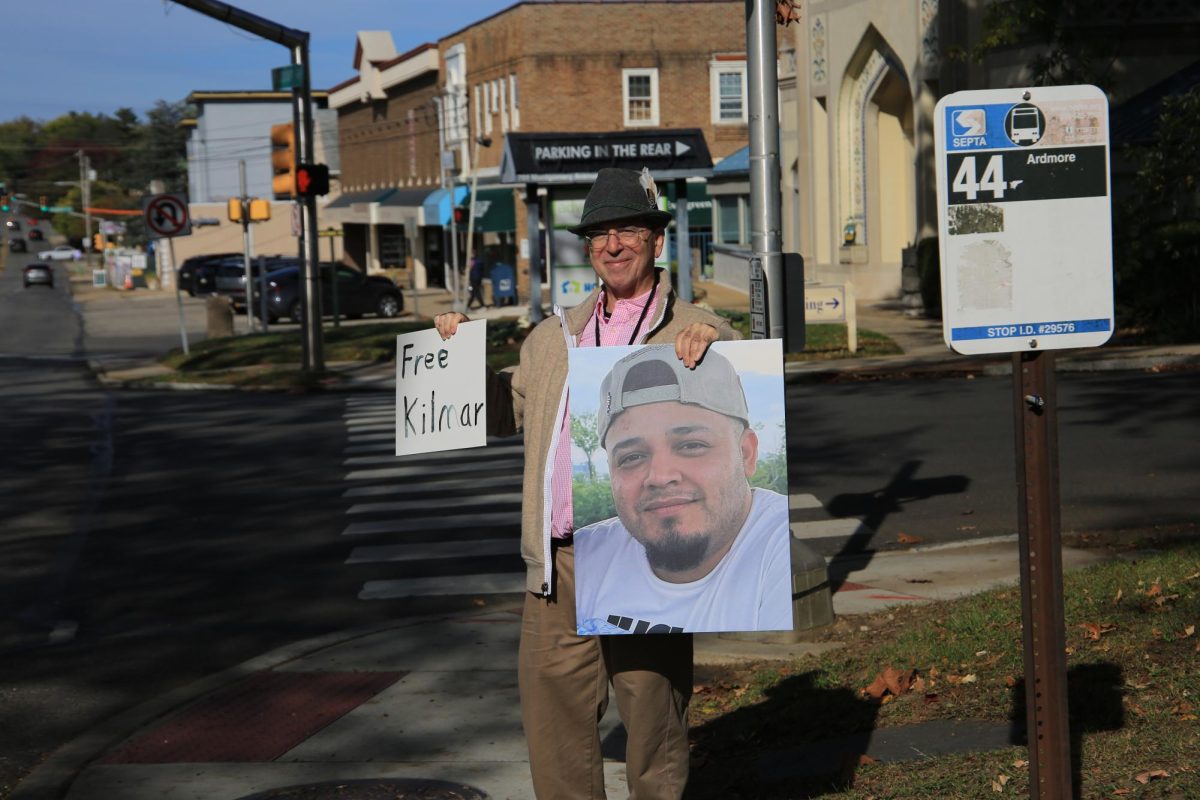
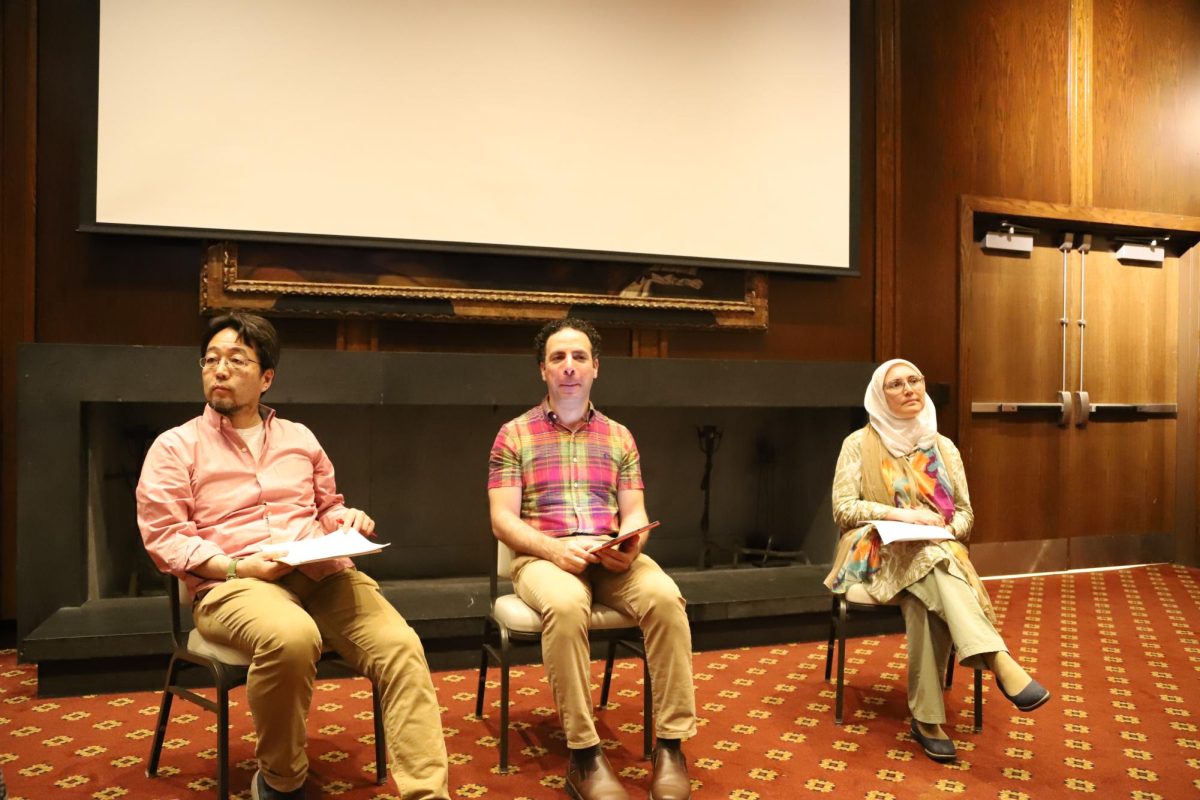
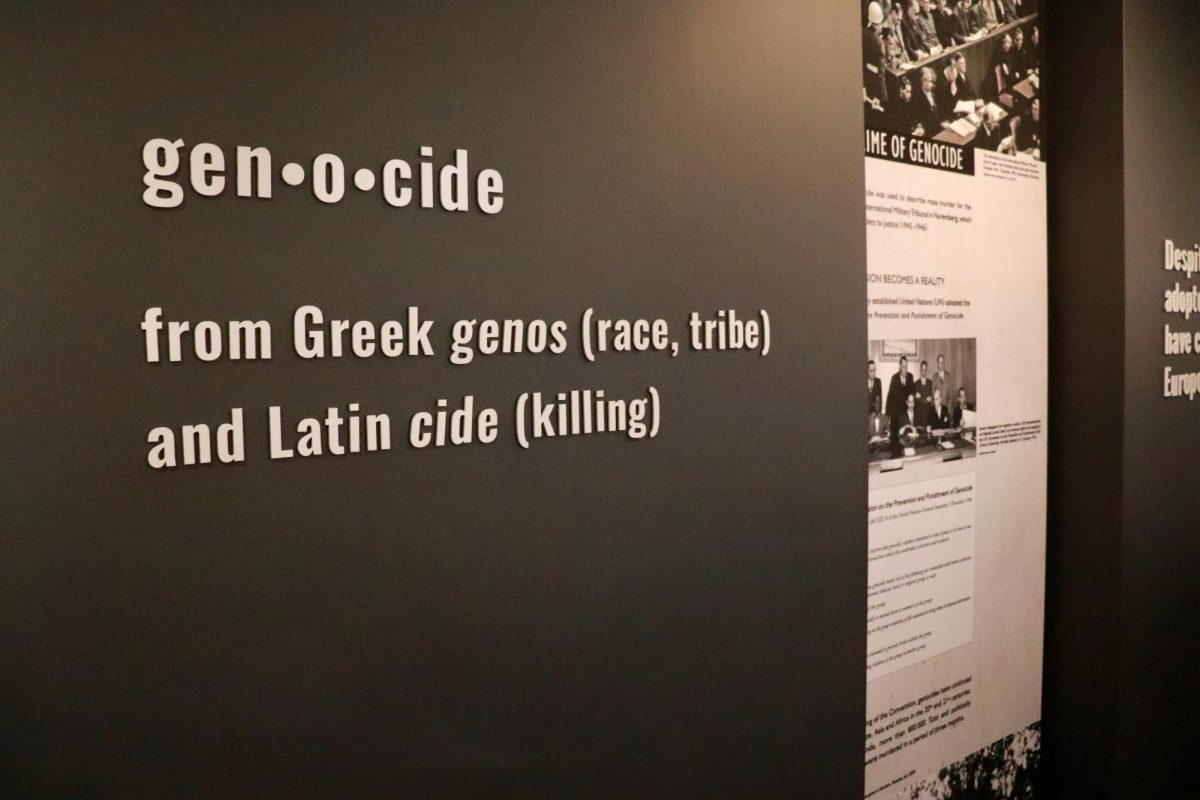
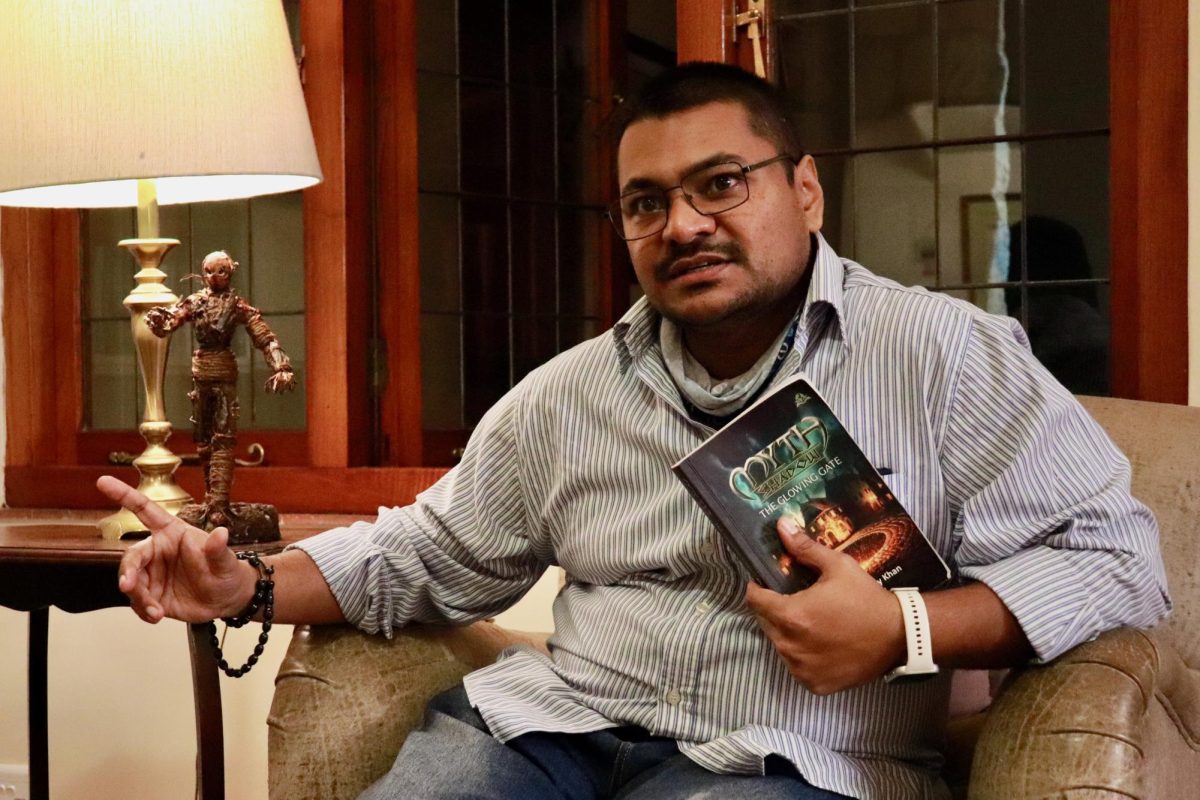
PHOTOS COURTESY OF SAGE OLNICK
The organizations, like Multifaith Antiracism, Change & Healing, hoped 200 people would show up. Nearly 1,000 arrived, Olnick said.
“Because of what was happening in Minneapolis, the least that we could do is to show up in solidarity for folks in Minneapolis and Minnesota as a whole to know that what is happening is not hidden,” Olnick said. “You will not be ignored.”
After undergoing multiple days of training on nonviolent, noncooperative direct action, Olnick spent four days in Minneapolis. Her work took many forms: singing songs of resistance and community with crowds, attending vigils where community members came together to comfort each other, and being present with people on streets with high ICE presence, to name a few.
Olnick said other important parts of her work were meeting people, supporting their businesses and hearing their stories.
“[We heard] from a lot of different organizing groups who wanted to share with us what they’ve learned during this time in hopes that we would share that message, that we would be truth tellers at a time when there’s a lot of information that is inaccurate,” Olnick said.
The solidarity of the Minneapolis community, Olnick said, often took the form of mutual aid, which involves a community’s exchange of resources and support with each other. In Minneapolis, this took various shapes based on safety needs. One example that stayed with Olnick was the formation of parent groups between neighbors to ensure children arrived safely to and from school.
“They gathered to take down not only their information but to make sure that they had access to their childrens’ important records, so that if parents were arrested or detained or deported, that they committed to care for each other’s children,” Olnick said.
While Olnick was boarding her departing flight to Philadelphia, she learned Alex Pretti, a Minneapolis intensive care unit nurse recording ICE activity on his phone, had been shot 10 times and killed by an ICE officer.
“We didn’t know until we landed in Philadelphia that he had died,” Olnick said.
When she heard the news, Olnick thought of the American Nurses Association’s Code of Ethics for Nurses, specifically the oath nurses take to care for one another.
“It was not at all surprising to me that a nurse would put themselves between someone and danger,” Olnick said. “I was not at all surprised how the community responded in numbers, in support, in fierce organization.”
Rooming with Olnick in Minneapolis was Elizabeth Haralam Shuba, Olnick’s close friend who is also a Unitarian Universalist minister and works as an oncology and palliative care chaplain in Lancaster. Haralam Shuba said she and Olnick approached the week aware of their privilege, focusing on how to use it while avoiding white saviorism.
“We were going to go with an intention to bring something back, and it wasn’t just to be voyeurs to somebody else’s story,” Haralam Shuba said. “It was going to be, ‘What sort of things had they implemented well, and how can we implement those into our own communities for when it happens here?’”

The kindness, grit and courage of the Minneapolis community — specifically the solidarity between neighbors who didn’t know each other previously — was “life changing” to witness, Olnick said.
“Something that was so deeply moving to me in my experience of being in Minneapolis was the humility and hospitality and welcome that I felt, and also to witness people across theologies and philosophies and even politics who put those things aside to really come together in deep community,” Olnick said.
Olnick said an important idea she learned from Minneapolis is to trust leaders, training, and community in situations that are unpredictable and scary, even when there’s not a step-by-step plan.
“We can’t wait to have a perfect plan for how to make the world better in order to do it,” Olnick said. “Sometimes, all we can do is make one move or take one step at a time and then trust that our collective action will help us to know how the plan should unfold as we move forward.”
Tinamarie Stolz M.A. ’24, assistant director of Campus Ministry, met Olnick after seeing her at various mission-related events. Stolz described Olnick as “a person of action” who is unafraid to advocate for others and sticks to her values, no matter where in the world she is.
“We have a lot of yappers,” Stolz said. “We need more doers. And Sage is a doer.”
Taking action now, even if things seem hopeless, is crucial for change, Olnick said.
“The last thing that we can do is be hopeless,” Olnick said. “We have to really think about how we can sustainably, consistently show up in ways that align with our own values and our own gifts and talents and abilities.”
This is the sixth article in a series by Hannah Pajtis ’26 that highlights immigration-related stories from the Philadelphia area.