













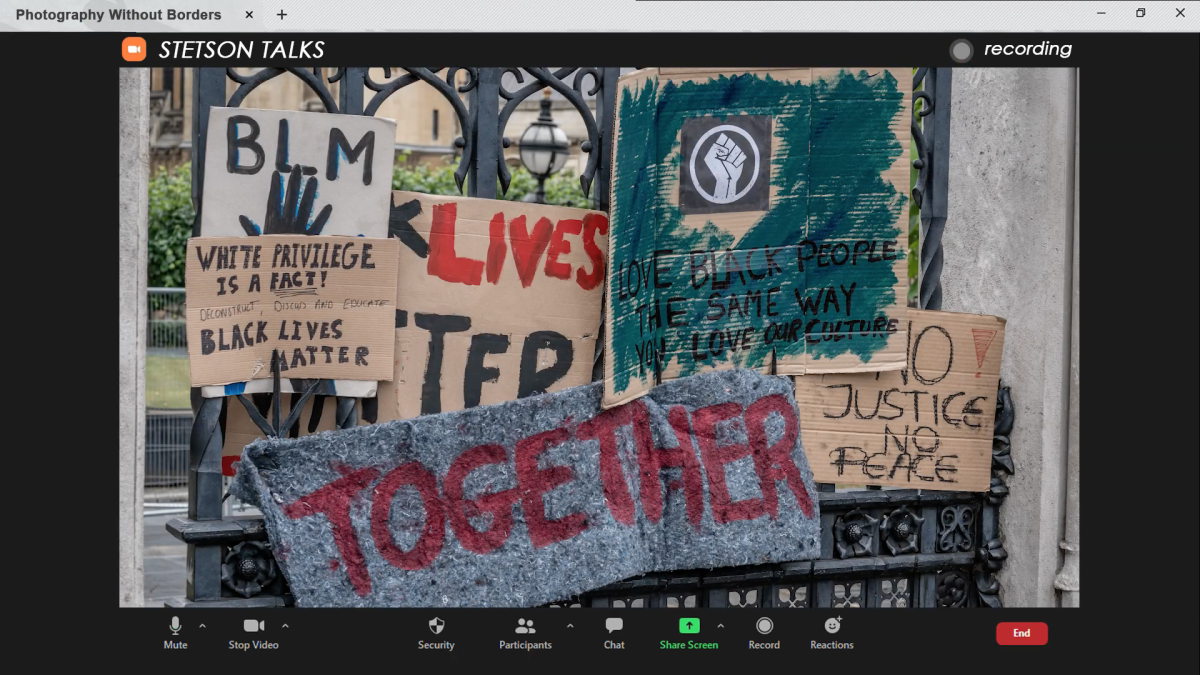







In late January, exhibits referencing enslaved people who worked in Philadelphia’s President’s House were forcibly removed from the site by the National Park Service. The removals came in response to President Trump’s Executive Order 14253, “Restoring Truth and Sanity to American History.” Proponents claim the order ensures a more accurate and patriotic depiction of American history; however, critics suggest the policy limits access to comprehensive historical evidence, particularly regarding past injustices.
Prior to their removal, the exhibits at the President’s House covered the lives of the nine enslaved people President George Washington held on the property. The house prompted reflection on the contradiction in our nation’s founding principles of “liberty and justice for all,” which did not apply to all who lived in the United States.
It is imperative the public uses their voice to oppose instances of censorship imposed by the federal government.
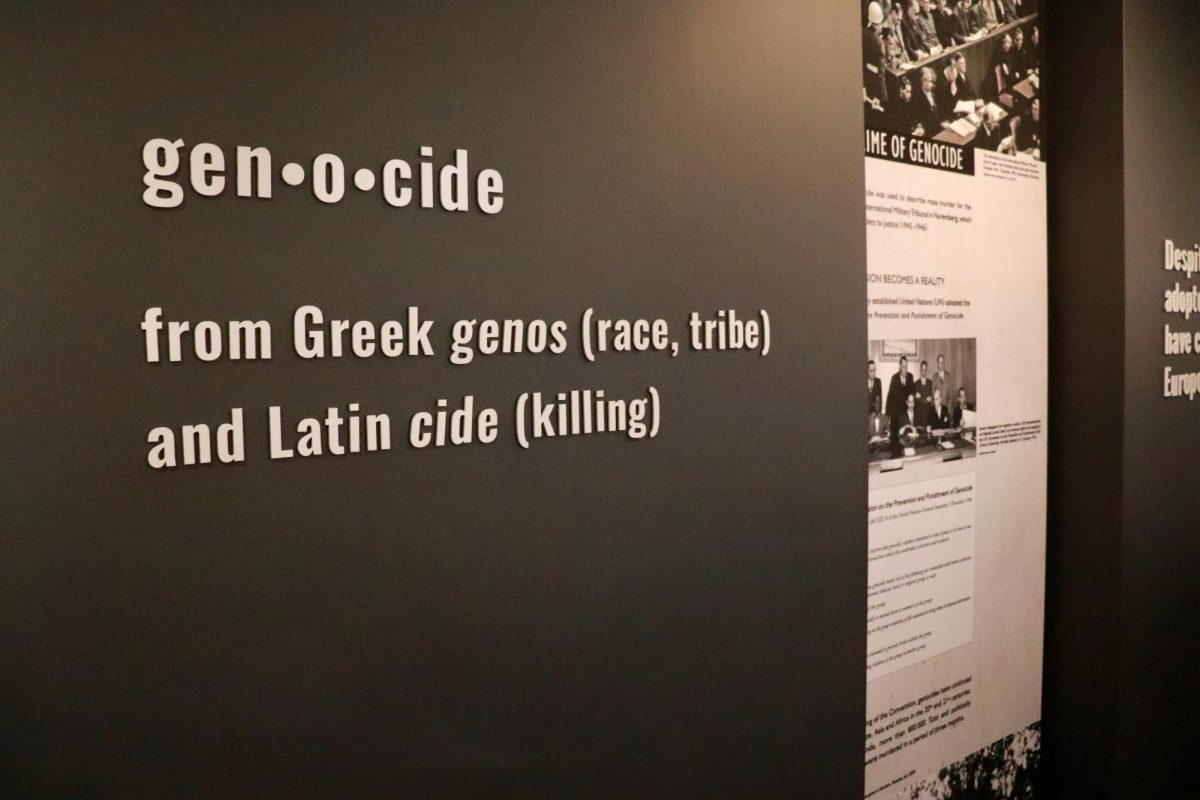
“In removing accounts of slavery from historical sites, we run the risk of forgetting the true scope of injustice in our nation’s history.”
History must be reflected upon in its entirety to equip future generations with the skills to fight against discrimination and build a more equitable society for all.
By offering diverse courses on American history, sponsoring speaker events that promote dialogue about injustice and continuing to serve as a safe haven for free speech, higher education institutions have the power to combat the exclusion of our nation’s history. Historical sites and universities share a commitment to education; when one is under threat, the other must step up.
Historical sites such as the President’s House do not share the stories of enslaved individuals to instill shame in its visitors but rather, to prompt reflection on the experiences of all Americans throughout history. These sites and what they stand for must be preserved to prevent our democracy from continuing to backslide into old patterns of injustice. When history is forgotten, it is often repeated; as Americans, we have the power to ensure this never happens, starting with preserving these reminders of history.
The Hawk welcomes Letters to the Editor, typically no more than 250 words. They can be emailed to [email protected].
