














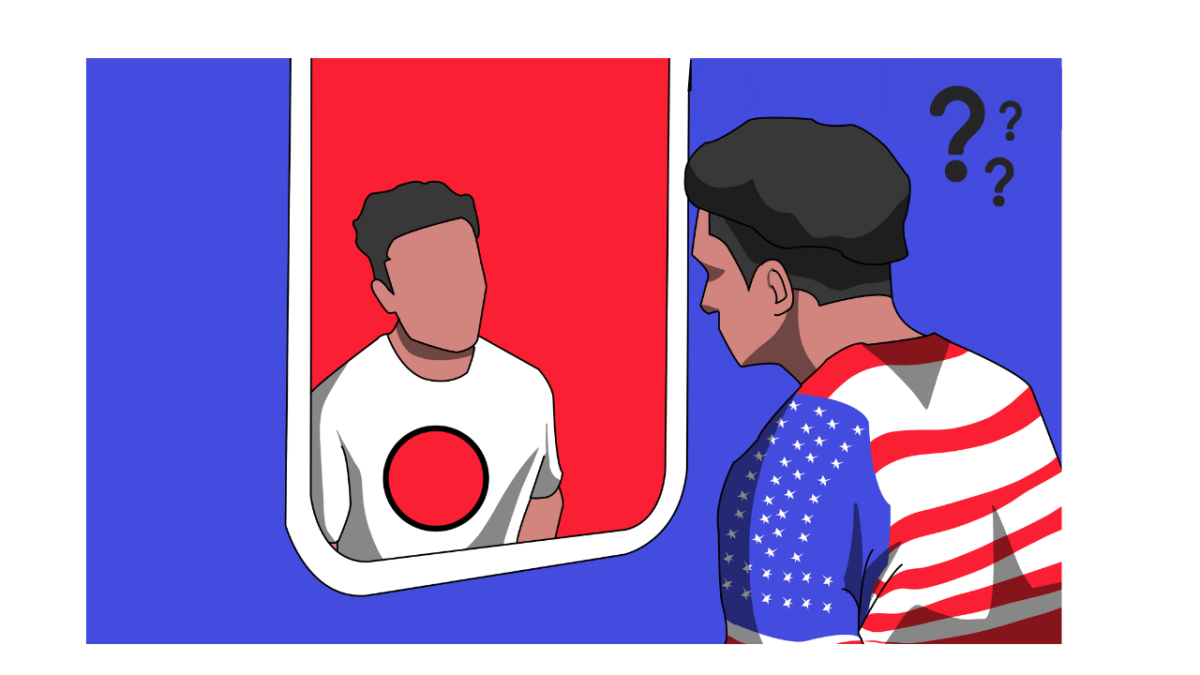
Growing up in an interracial household, I was exposed to Salvadoran and American cultures from a young age, and I often explored other cultures as a result. One thing I quickly learned was that each culture’s uniqueness in principles is what made them distinct from one another, a concept American fans of foreign entertainment often don’t grasp.
Recently, “Gachiakuta” author Kei Urana posted on her Instagram story her frustration with her American fans and their toxic behaviors. From controversy in the casting of the “Gachiakuta” Japanese play adaptation to fans assuming the sexual identity and orientation of characters and the author herself, American fans have been pushing their own beliefs and ideas onto Urana. This had been an ongoing trend during the airing of season one of the anime, and this isn’t the first time American fans have harassed Japanese authors.
Similar events happened during the releases of the popular anime “My Hero Academia” and “Attack on Titan.” In my view, what was supposed to be a source of entertainment instead became a wrestle between ideals and different cultures due to Americans’ desire for Japanese media to reflect American cultural views.
This has led to well-known directors and authors, like anime “Sword Art Online” director Tomohiko Itō, criticizing the idea of Japanese creators appealing to a global audience. Itō stated “the emphasis on political correctness is strong in America,” a priority that Japanese people do not always seem to have in their entertainment. Americans have an expectation to see diversity in media because it reflects their environment. Due to conflicting cultural views within entertainment, the desire for inclusivity has led American fans to project noncanonical interpretations onto Japanese media.
Japan has been known to release Japanese-only media like video games and music, and I’d hate to see the globalization of anime and manga become limited because American fans cannot accept the fact that Japanese media and culture are simply different from American media and culture.