






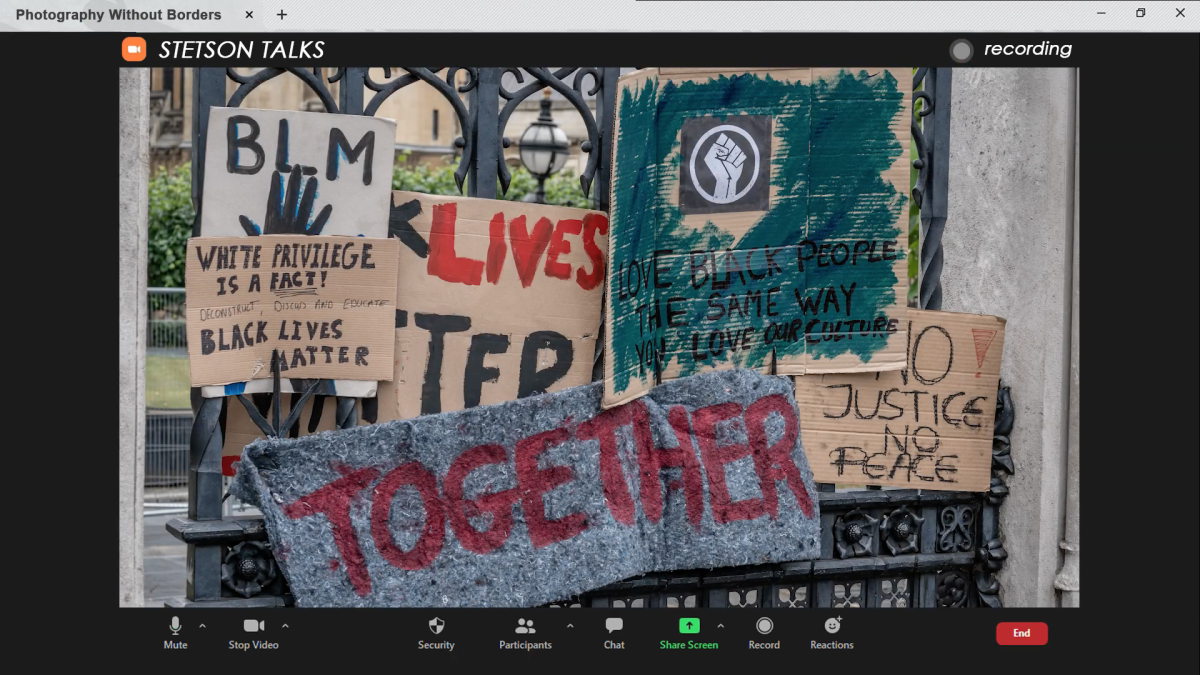




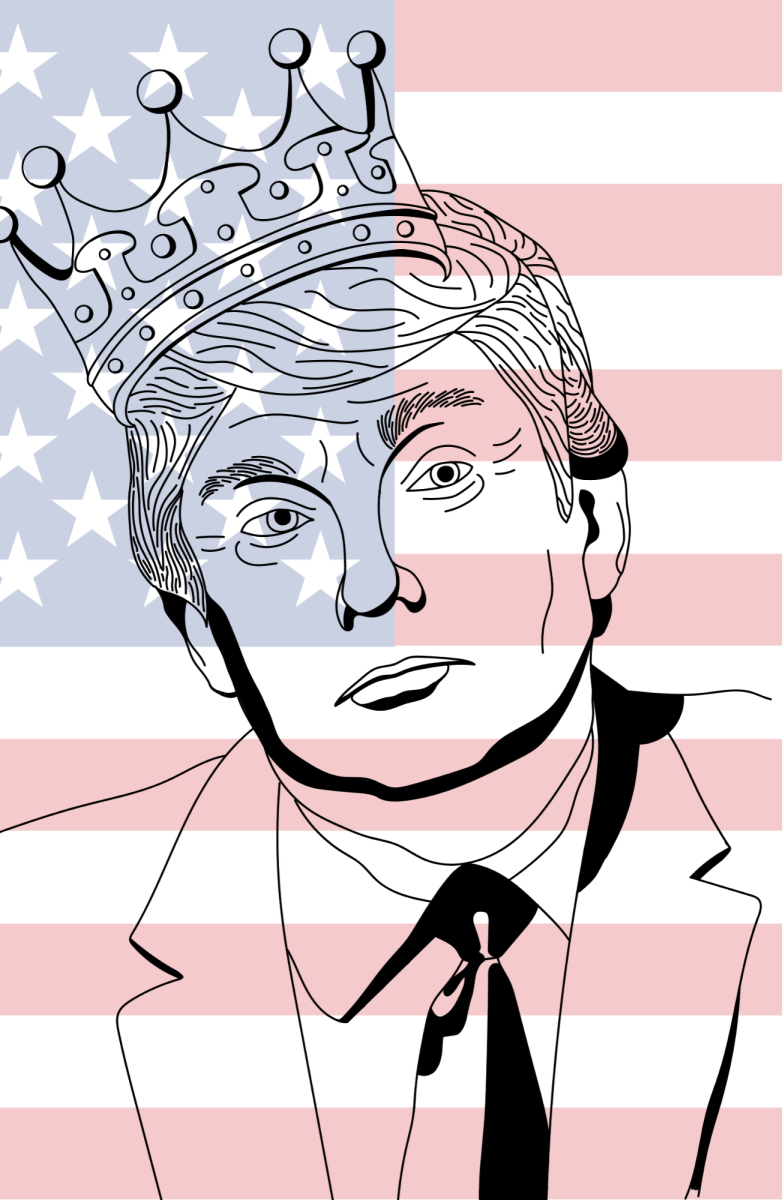
In a country founded on the rejection of kings, millions of Americans are, once again, taking to the streets to remind those in power who truly governs. Protest has long been a force for challenging injustice, but recent movements like the “No Kings” protests have taken on renewed urgency to reject unchecked power and demand accountability. As the movement declares, “We won’t back down against chaos, corruption, and cruelty,” and people across the country are finding their voices in response to a rapidly shifting political and social landscape.
In a time marked by fear, confusion and uncertainty, the responsibility to speak out feels heavier than ever. But it also reinforces something fundamental: Power ultimately belongs to the people. When systems feel broken or unjust, history shows us collective action can spark meaningful change.
While this moment may feel chaotic, the foundation of the United States suggests otherwise. The belief that citizens have the right to challenge the government is deeply rooted in American ideals. The Declaration of Independence asserts that when a government becomes destructive of rights, such as “life, liberty and the pursuit of happiness,” the people have the right to “alter or to abolish it.” Though this principle was intended for extreme circumstances, many now argue current conditions are beginning to test those boundaries.
We are told all people are created equal, yet many feel reality does not reflect that promise. Reports of United States Immigration and Customs Enforcement’s actions, economic instability and growing inequality have left people questioning whether the American Dream still exists in its original form. For many, these are not isolated issues but signs of a broader shift. In response, the message of “No Kings” continues to unify protestors, reinforcing the idea that power should remain with the people.
Some place responsibility on political leadership — particularly President Donald Trump — while others see the issues as more systemic. Regardless of perspective, one thing is clear: The growing number of protests reflects a shared frustration. Taking a stand is no longer optional for many; it is necessary.
