




























Growing up, video games were a staple in my household. Couldn’t go outside due to the weather? Play video games. Had friends over? Hold a tournament in a game like Super Smash Bros. It was the creative aspects of these games that served as core memories in my childhood.
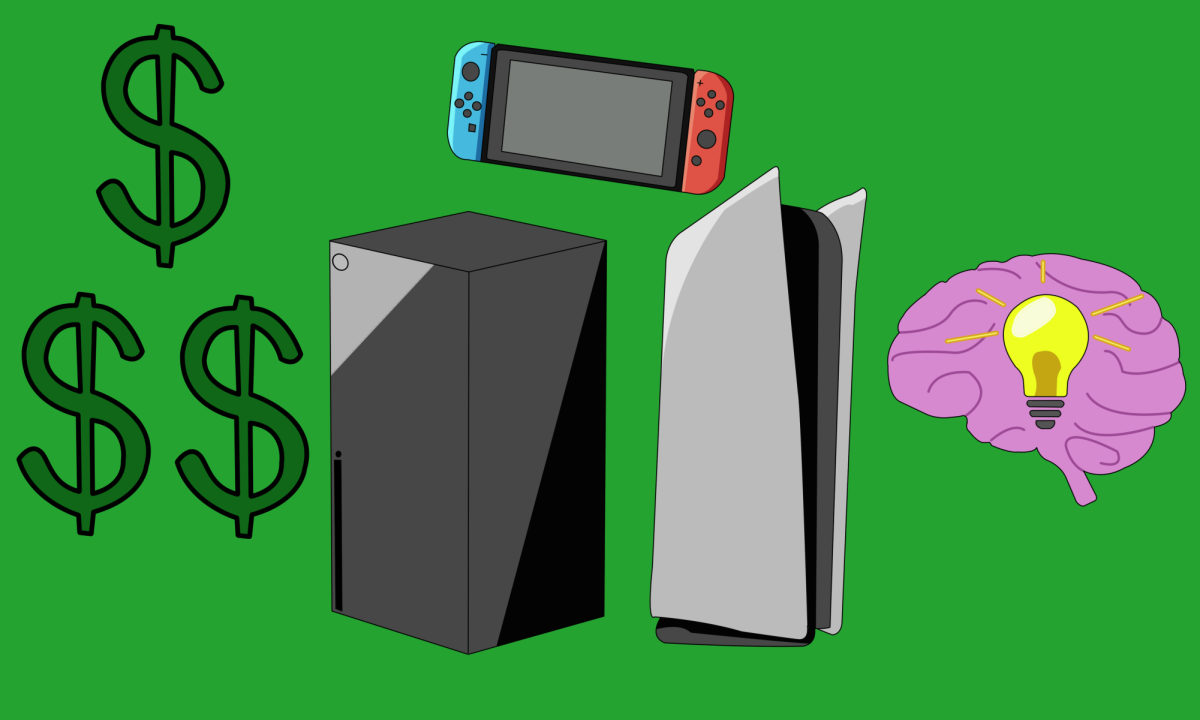
As gaming companies begin to bring back classics as remastered games like the Mortal Kombat: Legacy Kollection and Marvel vs. Capcom Fighting Collection: Arcade Classics, I wonder if these companies are more focused on making a profit than on the creative aspects of the video games I grew up with.
When I was a child, most video games had their own unique spin to them.Sometimes, it would be a unique art style, as shown in the character designs in the Kingdom Hearts and Castlevania series. Other times, it was unique game mechanics like Warner Bro.’s Nemesis system or the fast-paced hack-and-slash genre of Ninja Gaiden.
However, a lot of these unique qualities began to fade away with time. Most modern games include additional content, cosmetic items or even a whole portion of the story’s plot as downloadable content consumers need to buy in addition to the base game’s price. One example is Street Fighter V’s character roster, where roughly two-thirds of the available characters are blocked by a paywall. While profit is important, is the trade-off worth it?
This issue isn’t limited to the gaming industry, since it can be seen in the entirety of the entertainment industry. Examples include the celebrity casting of the new “Street Fighter” movie or the rushed animation of One Punch Man’s third season. Creative and risky decisions have paid off before, like in the use of animation and different art styles in Sony’s Spider-Man: Into the Spider-Verse and Spider-Man: Across the Spider-Verse movies. So why get rid of the creative aspect of video games and other media that made them so memorable and loved by so many in the first place?