
















Pull out your phone and take a look at your screen time. Appalled by the number? Most people in Generation Z are, and they’re trying to do something about it.
Gen Z spends an average of six hours and 27 minutes on their phones each day, according to a 2024 Harmony Healthcare IT survey, and Americans across all generations spend an average of five hours and 16 minutes.
But studies also show young people are making moves to cut back, especially on social media, by installing apps or app extensions that limit daily use.
Young people have started to acknowledge the negative effects of extended screen use, including irregular physical activity and rest, alongside social and emotional isolation, a 2025 Centers for Disease Control and Prevention Study found.
Kristen Goldberg ’99, M.S. ’03, Ed.D. ’25, senior director of the Office of Learning Resources, said those negative effects extend to academic work as well, where extended phone usage can lead to a decrease in focus and concentration.
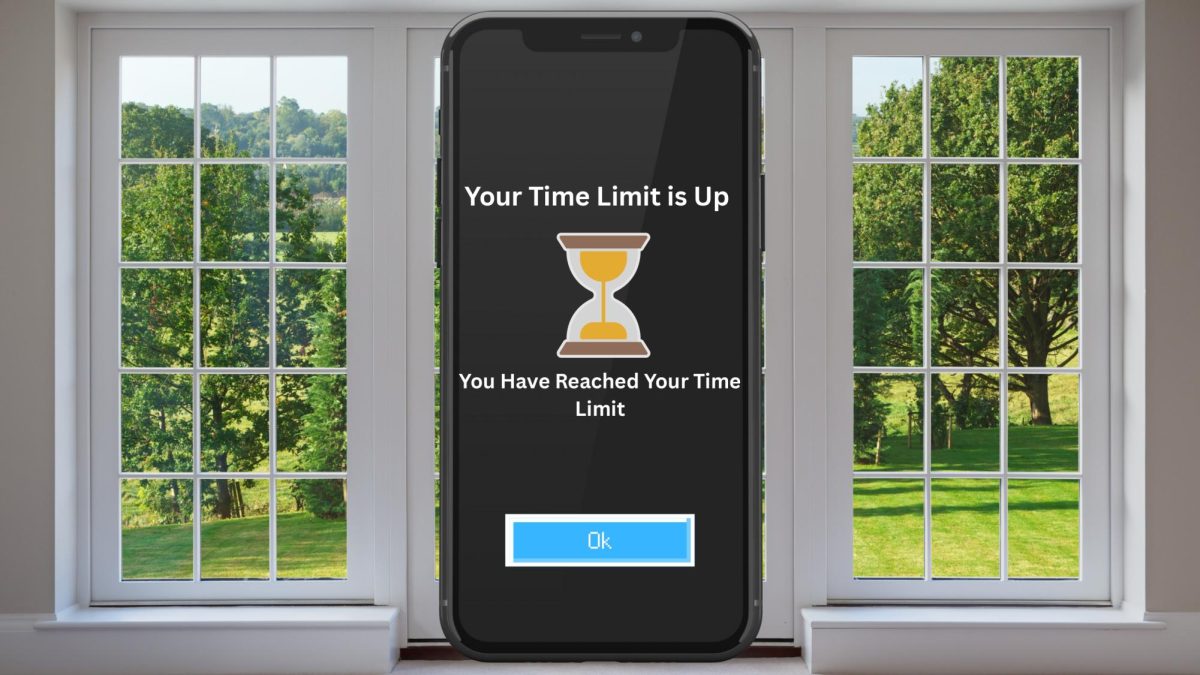
Christian Downie ’26 said a lot of his peers are turning to app time limits to improve their daily lives and focus more. Downie said he started using the “Time Limit” function built into Apple devices, but noted the function is easy to bypass, so you have to be mindful and disciplined to use it effectively.
After a couple of weeks of using it, Downie said he saw a 34% decrease in his screen time. He also found his sleep schedule was more consistent, and he was more well-rested.
“I felt like my focus was a little bit better early in the mornings and throughout my day because I wasn’t sitting on my phone doomscrolling on reels before I went to sleep at night,” Downie said.
Emily Lehman ’27 said she uses Flora – Green Focus, a productivity app that plants virtual trees that die if you go on your phone while the tree is growing. Lehman said she started using the app as a way to stop procrastinating on her schoolwork and has decreased her screen time to around three hours a day.
Lehman also said the app reinforced healthy boundaries with her phone.
“I feel like, before, if I were to get a notification, I’d jump on my phone, and now I’m like, ‘Oh, I’m gonna kill my tree,’ even though the app’s not open, so I just don’t touch my phone till I’m done with my work,” Lehman said.
Goldberg said she applauds students who have identified the detriment of too much screen time and want to limit it — many doing so by using these apps.
“It’s great to have so many features in your pocket and have the ability to use them, but I appreciate the fact that people are being mindful and intentional about ‘What is my use of this?’” Goldberg said. “‘Am I using it for good? Am I using it for distraction? Am I using it in place of something I should be doing?’”
Downie identified another upside of limiting screen time: a fuller life.
“I just don’t want to spend my life rotting away on a cellular device when there’s so many other things I could be experiencing,” Downie said.