























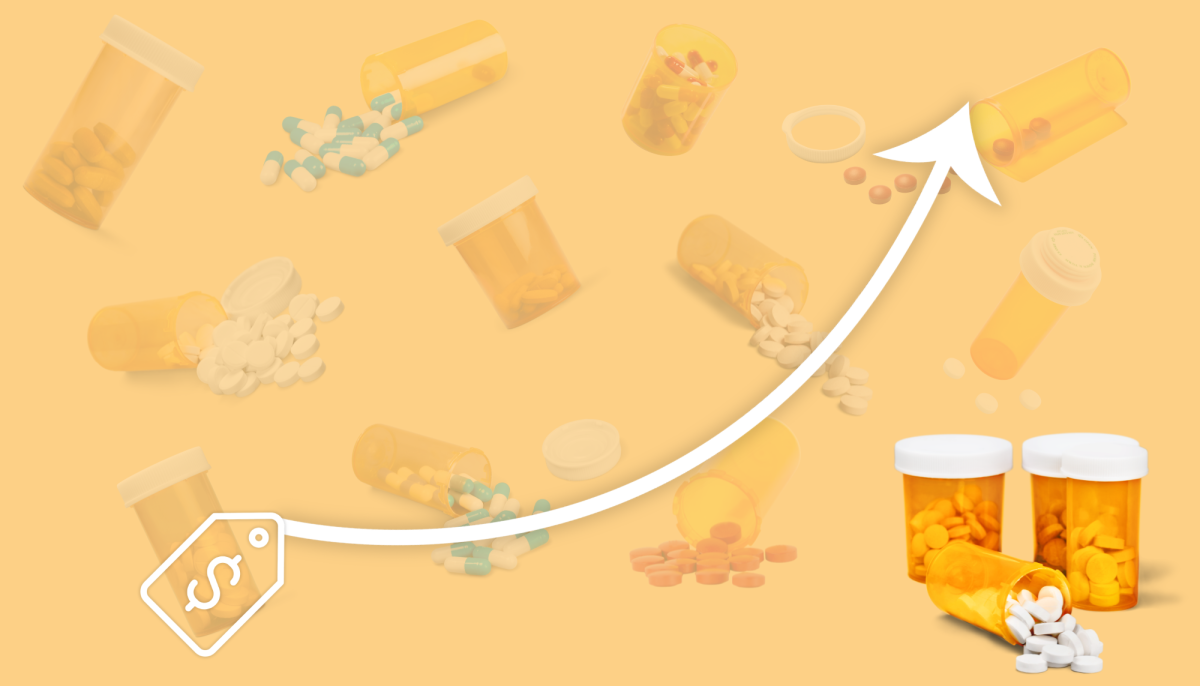
Americans are being charged prices that have nothing to do with what drugs cost to develop. They deserve to know why.
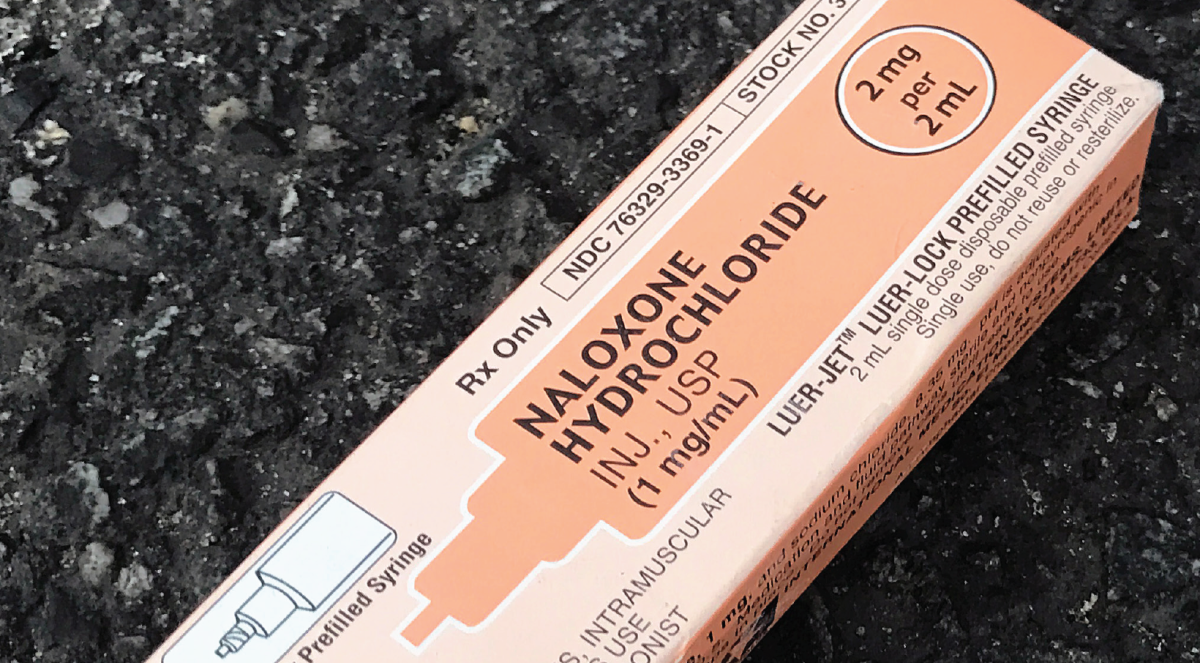
A 2022 study in JAMA Network Open analyzed 60 Food and Drug Administration-approved drugs and found zero statistical links between research and development spending and what companies charge. A BMJ analysis revealed that the 15 largest drugmakers spent $800 billion more on marketing and administration than on research from 1999-2018. Insulin costs roughly $2-$4 per vial to produce but has sold for over $300 in the U.S. If prices reflected costs, someone would have to explain that markup.
The industry’s counterargument that roughly 90% of drug candidates fail and pricing must cover those losses is real but overstated. The Tufts Center claims each new drug costs an average of $2.6 billion, but a 2025 RAND Corporation study found the median is closer to $708 million, inflated by a handful of outliers.
An INFORMS study found transparency makes firms more risk-averse, shifting toward safer, incremental drugs. That’s worth designing around — not a reason to keep the public in the dark.
In 2022, South Africa’s Competition Commission prosecuted Roche for the price of breast cancer drug Trastuzumab, estimating that 10,000 women went without treatment because of cost between 2011 and 2019. Roche refused to share its data. Across the continent, only 22 of 46 sub-Saharan African countries have any drug pricing policies, and Africa still imports 61% of its medicines. Still, a CGDev analysis found that transparency helps lower generic drugs’ prices, possibly undermining confidential discounts that charge less for patented drugs in impoverished countries. It’s a real tradeoff but calls for smarter design, not secrecy.
In the U.S., where individuals spend $2.78 on drugs for every dollar paid in other countries, at least 30 states have passed transparency laws, and a proposed bipartisan federal bill would require justification for major price hikes. Nearly 82% of Americans say drug costs are unreasonable.
Transparency will not expose everything, but it’s hard to have an honest conversation about drug prices when only one side sees the numbers.
