













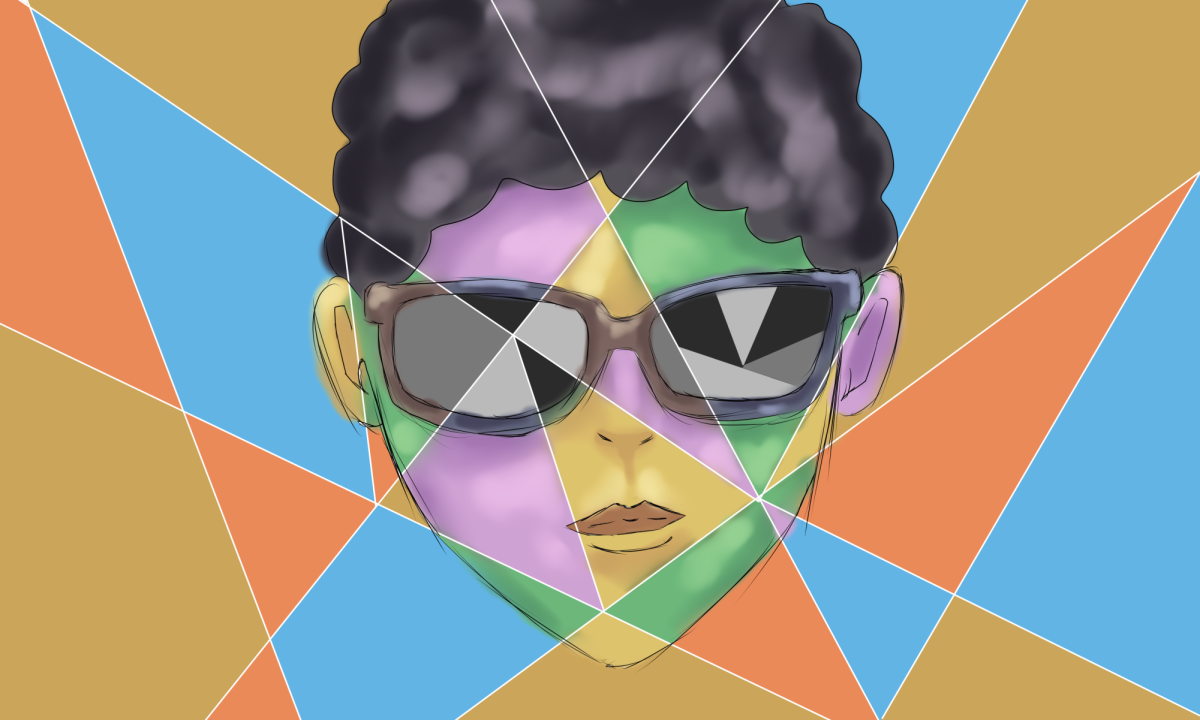
When I give tours at the Frances M. Maguire Art Museum, it is not uncommon for a visitor to question the significance of abstract art that is displayed at the time. Sometimes, I can answer their questions. Most times, I cannot give a definite answer. The only thing I can confidently say is that abstract art is art.
But where do we draw the line? First making an appearance in the early 20th century, abstract art was a way for artists to branch away from the traditional practice of art. Through new styles, like cubism, artists were able to express themselves in creative and profound ways that were never before seen. It was a movement that gave artists freedom to think outside the box.
However, as time passed, abstract art slowly shifted from its original purpose. I have seen TikToks with an abstract artist painting circles with a mop. There’s also the infamous banana taped on a wall piece, which sold for $6.2 million. This makes me question my long-term belief that anything can be art.
As an artist, I’ve studied art as a way to express my ideas, opinions and beliefs in a way that words cannot. Artists across history used art to express their religious, political and controversial beliefs, yet with modern abstract art, I find this substance often missing. Are people using abstract art as a way to bypass spending hours of dedication and developing skills just to create art or for the possibility of making a profit? Should the art community redefine the threshold of what art is?
I find it disappointing to see something that was created in only seconds with seemingly little effort take the spotlight away from art that took someone sweat and tears to create. The creation of art doesn’t need to follow a set style or standard, but the artist should give meaningful thought and planning into what they want to say through their work.