











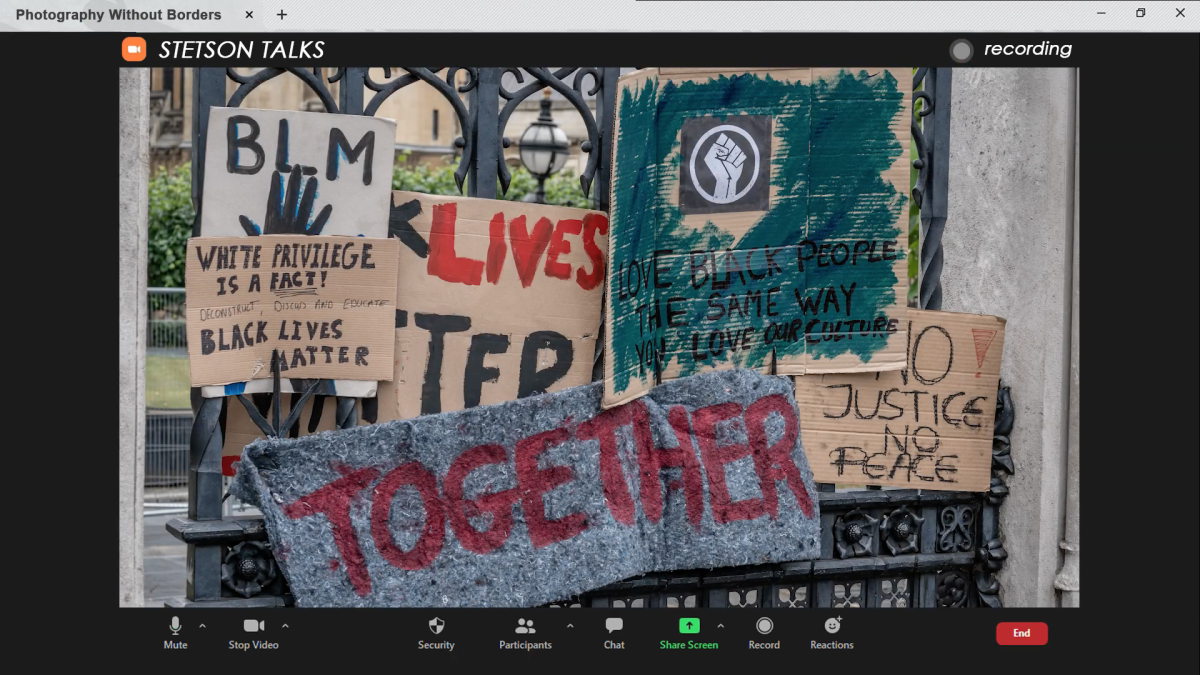









Given all the turbulence surrounding recent political news — from questionably constitutional government decisions to widespread public demonstrations — it’s no surprise the upcoming midterms are being framed as potentially transformative. Because these elections could shift the balance of power in Congress and other key positions nationwide, even typically overlooked primaries have drawn national attention as high-stakes contests. As such, influential political figures and grassroots movements alike have acknowledged the importance of candidate selection.
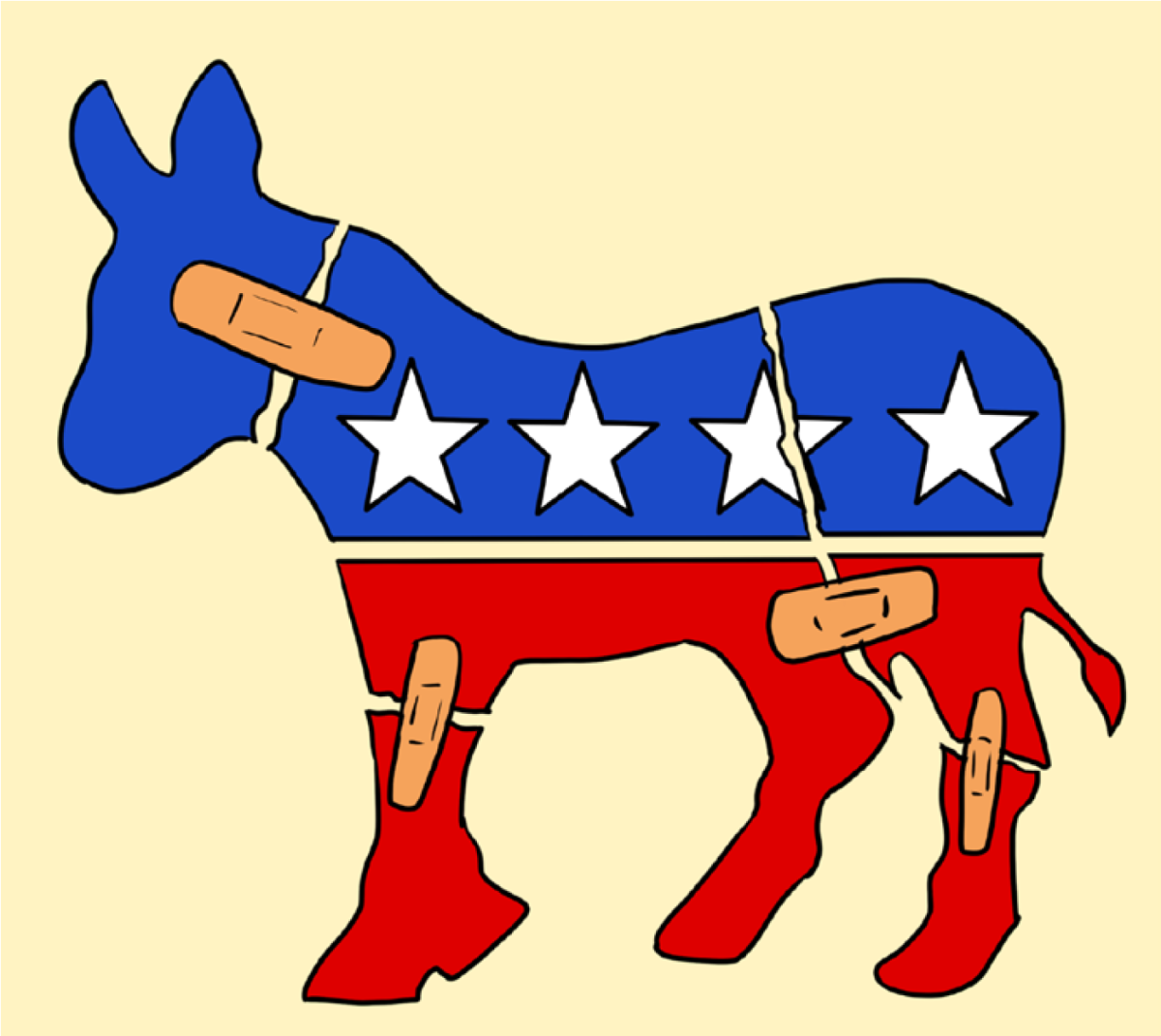
Yet, despite the shared goal of advancing strong candidates, tensions have emerged within ideological camps — particularly among Democrats — over questions of electability, highlighting the overarching divide between the established moderates and progressive challengers. While this conflict is not confined to a single state, it’s especially evident in places like Maine and Michigan, where Senate races could shape both the partisan and ideological makeup of Congress.
This tension is exemplified by Abdul El-Sayed, a candidate in Michigan’s Democratic Senate primary. His opposition to U.S. involvement with Israel in the war against Iran, along with his commitment to working-class values, drew the support of online political commentator Hasan Piker. To amplify his message, El-Sayed appeared with Piker at the University of Michigan, criticizing both the administration’s foreign policy and staking a claim to some progressive policies he sponsors. However, Piker’s history of incendiary rhetoric about the U.S. and Israel sparked the ire of concerned Democrats who argued this partnership compromises El-Sayed’s credibility and electoral viability, reinforcing concerns of alienating broader electorates.
While I haven’t watched Hasan Piker for quite some time after his transformation into a heavy-handed online persona, his and El-Sayad’s message about mainstream Democrats’ failure to persuade voters on any proactive policies while attacking “radical” candidates for attempting to find workable solutions that wouldn’t pass with contemporary Democrats resonates. El-Sayed’s willingness to align with influential figures like Piker underscores a broader frustration among emerging candidates and voters, who have increasingly challenged party orthodoxy to address systemic political shortcomings.
