

























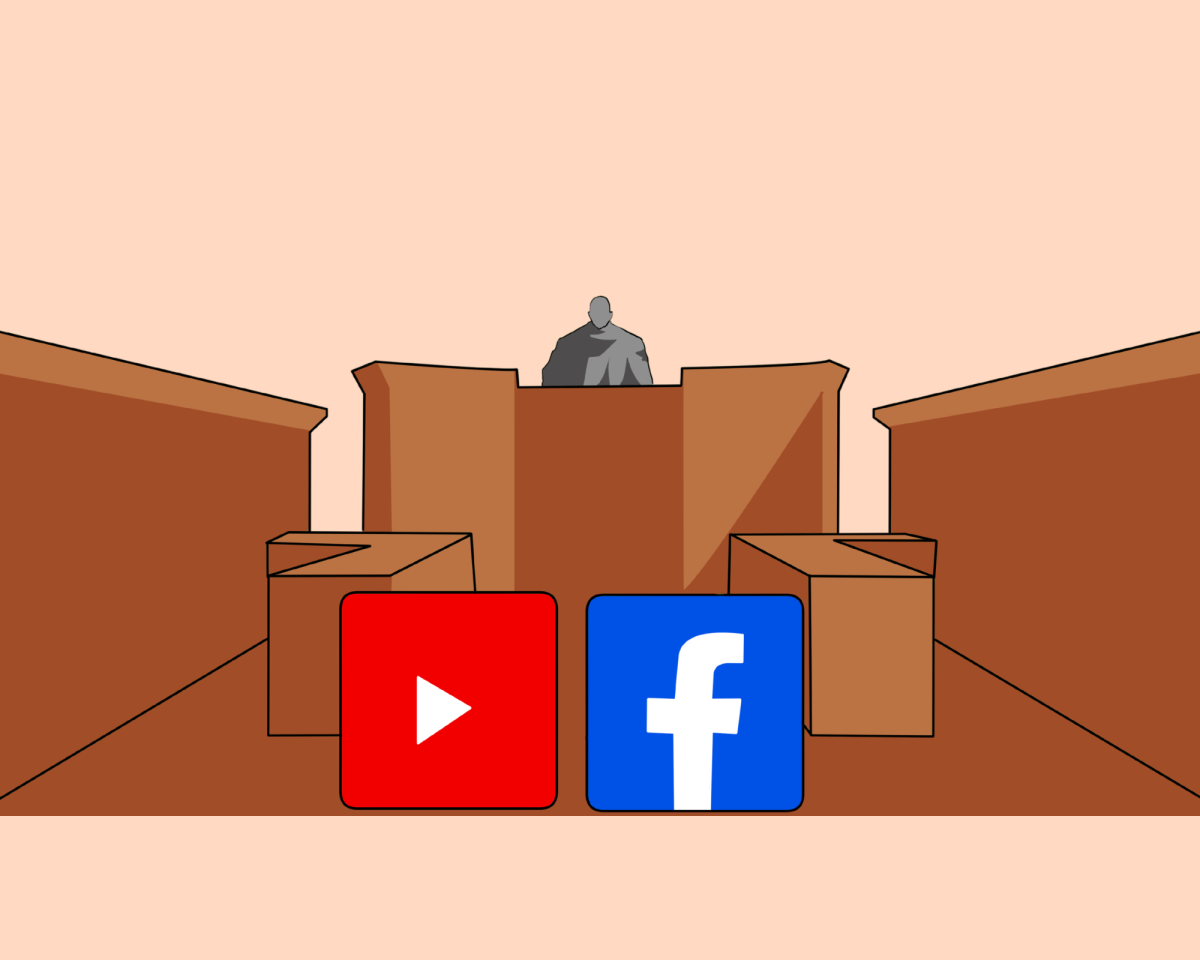
A Los Angeles jury found Meta and YouTube negligent in the design of their online platforms March 25, ruling they were “deliberately built to be addictive” and that executives knew they were harming children. The jury awarded $6 million in damages, a fraction of Meta’s $201 billion in 2025 revenue. But the dollar amount isn’t the point. The verdict is.
Comparisons have been made to legal efforts in the 1990s to stop Big Tobacco from advertising to minors. This was the first civil jury trial to hold social media companies liable for addiction by design. The plaintiff, KGM, began using YouTube at age six and Instagram at age nine. By 10, she had anxiety and depression. The jury found Meta 70% responsible and Google, the parent company of YouTube, 30%. TikTok and Snapchat settled before trial. One day earlier, a New Mexico court ordered Meta to pay $375 million for failing to protect children from exploitation.
The internal evidence was damning. Company documents showed Meta’s strategy was to “bring them in as tweens” to “win big with teens” and knew 11-year-olds were four times more likely to keep returning to Instagram than to competing apps — despite the platform requiring users to be 13. Zuckerberg testified that science hasn’t proven social media causes harm. The jury disagreed.
Since the verdict, the pressure has only intensified. Meta and Google confirmed they will appeal, but a Delaware court ruled Meta’s insurers won’t cover these lawsuits because the allegations involve deliberate acts, which means Meta must pay out of pocket. The New Mexico case enters a second phase May 4, where a judge will decide whether Meta must fund programs to address the harms and change how its apps operate. More than 10,000 individual cases and nearly 800 school district claims remain pending on the issue.
Comparisons to Big Tobacco are no longer rhetorical, and legal strategy is identical: Target the product design, not the content. Features like infinite scroll, autoplay and algorithmic recommendations are the cigarettes of this generation. It’s time to regulate them like it.
