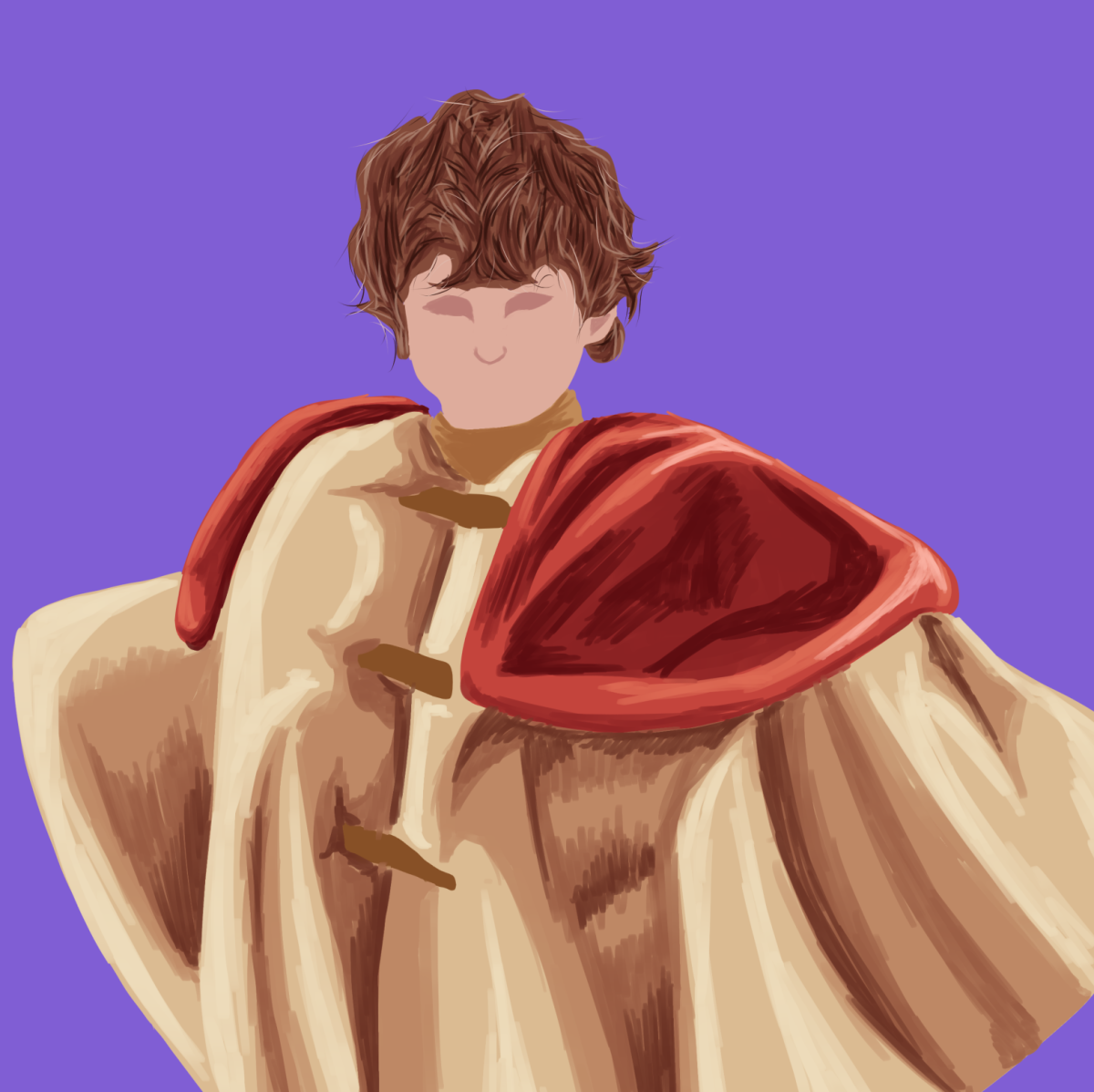






















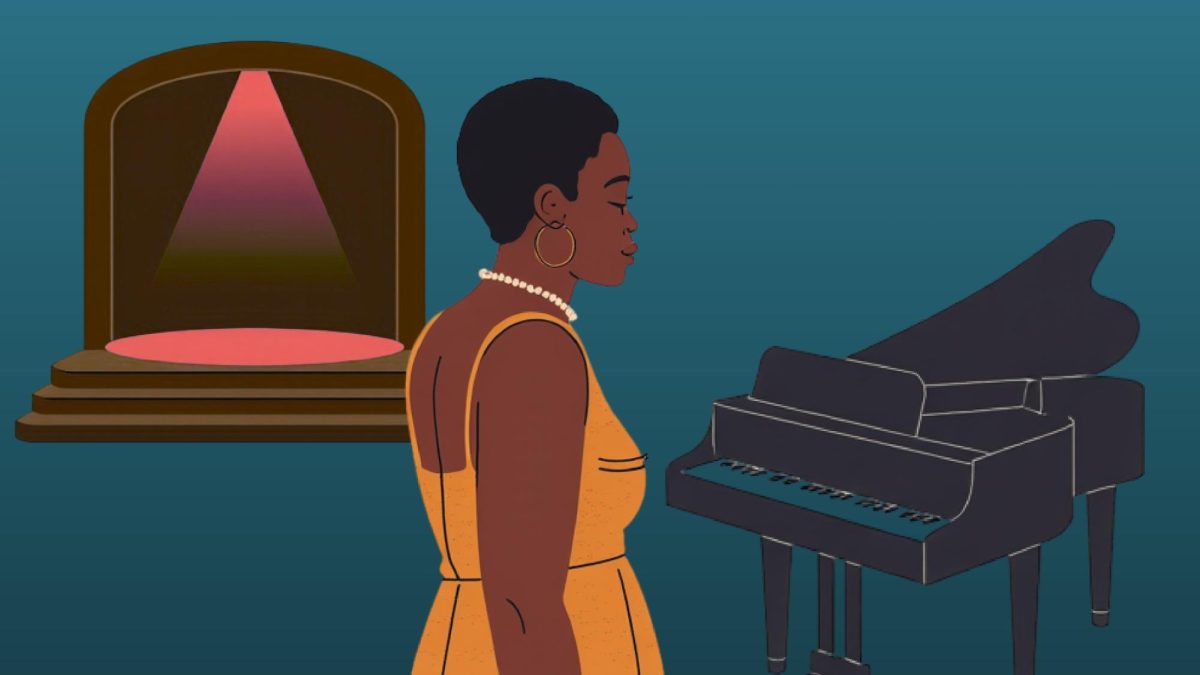
Nina Simone, born Eunice Kathleen Waymon on Feb. 21, 1933, was an American pianist, singer and songwriter. A prodigy on the piano, Simone began playing by ear at age three. She played at her mother’s church growing up and had dreams of becoming the first Black female classical pianist.
Simone eventually began formal training for classical piano and earned a scholarship to attend a one-year program at The Juilliard School in New York City, where she trained for her audition for the Curtis Institute of Music in Philadelphia. However, she was denied admission, a decision she always said was due to her being a Black woman.
As a means to make money, Simone began playing and singing at the Midtown Bar and Grill in Atlantic City, New Jersey, in 1954, where she began using her stage name, Nina Simone. By 1957, she gained the attention of Syd Nathan, owner of King Records, who signed her to Bethlehem Records.
Simone was an artist who couldn’t be cornered into one genre and was an immensely talented songwriter and composer. Much of her work beautifully captures the pain and the experience of being Black, not only during the time of Civil Rights and segregation but in general. Her song “Mississippi Goddam” was written in response to the 16th Street Baptist Church bombing in Birmingham, Alabama, which killed four black children.
Another song, “Four Women,” details the stories of four different Black women: Aunt Sarah, Saffronia, Sweet Thing and Peaches. Aunt Sarah reflects the resilience of Black women in America. Saffronia is a mixed woman who lives “between two worlds.” Sweet Thing is a prostitute who wonders “whose little girl am I.” Peaches, who is embittered by her parents’ enslavement, embodies the rage of generations of oppression. Nina Simone was an exemplary force and artist whose words were able to capture feelings to their fullest extent.
“I’ll tell you what freedom is to me,” Nina Simone said in a filmed interview. “No fear.”