
















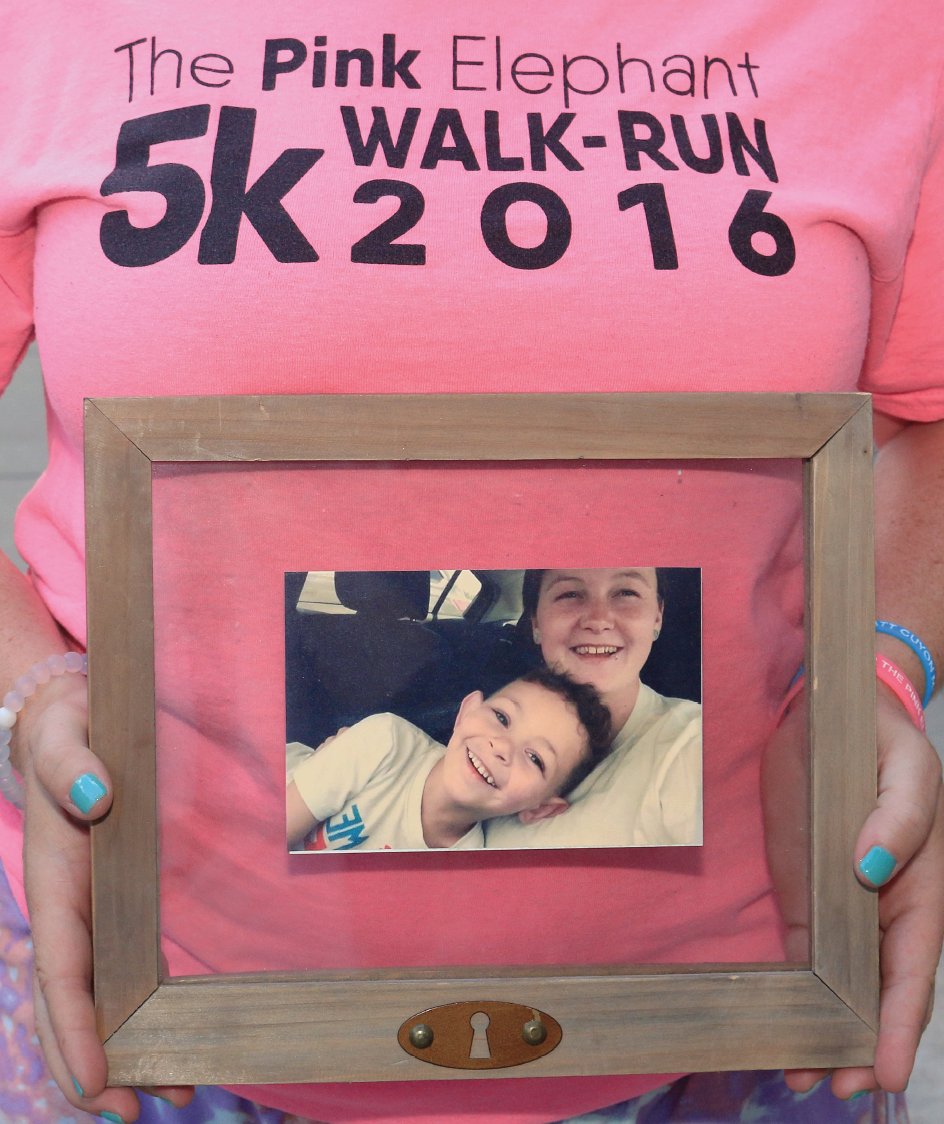




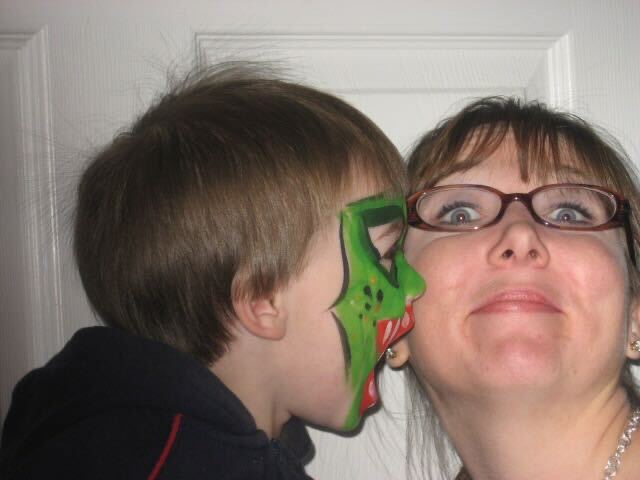
On Oct. 9, 2025, my mom, Amy Kouba, passed away at 5:15 p.m., surrounded by her closest family members at our home in Aston, Pennsylvania. She was just 46 years old.
My mom endured a painful two-month battle with stage four pancreatic cancer before it took her. She left behind my dad, Mark Kouba, and her two sons — my 11-year-old brother, Kyle, and me.
My mom’s cancer came out of nowhere. A random sharp pain in her stomach led to a hospital trip in August 2025 that rocked my family’s world.
My mom was the most caring and loving person I had ever known. Her sense of humor was second to none. She was the one person who could make me crack a smile or burst out laughing in any given instance.
Nothing hurts more than losing the person who raised you. Losing that person while being a full-time college student adds another level of cruelty.
Researchers Cristina Bistricean, Ph.D., and Munyi Shea, Ph.D., suggest in a 2021 study that the experience of losing a loved one while in college is not uncommon. In fact, according to the study, 60% of college students will experience the loss of a close relative at some point during their college years.
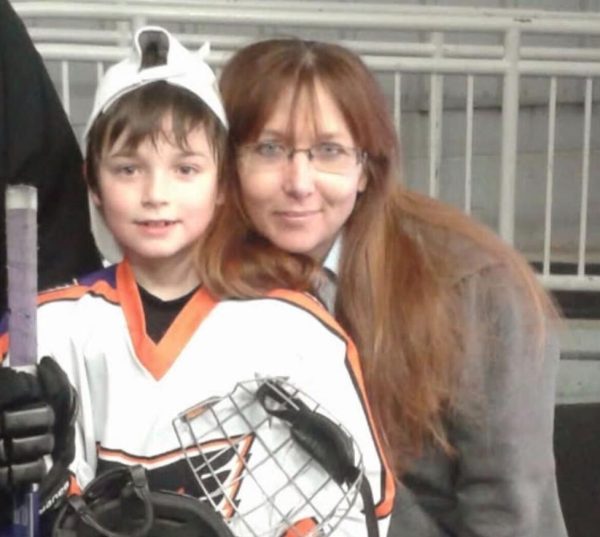
I’m one of those statistics. So is Cara Santilli ’24, M.A. ’26, whose father, David Santilli, died suddenly from a heart attack Nov. 20.
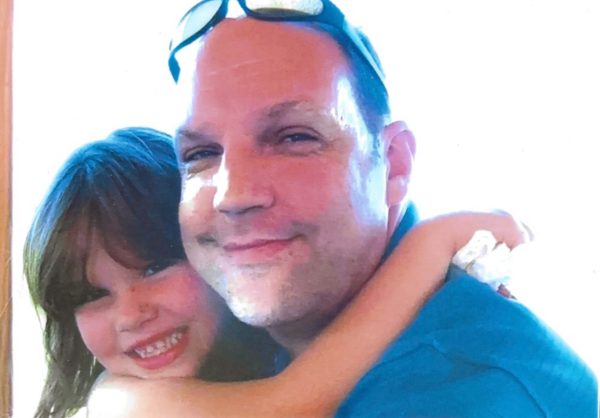
Santilli said her father, a trial attorney at Liberty Mutual for 30 years, was a loving person who had a passion for sports.
“He was on the commissioner’s board for Broomall Newtown Baseball, and he was a coach,” Santilli said. “He loved the Eagles, loved the Phillies … He loved animals. We have 10 cats. We had a dog, three ferrets. A very loving person all around.”
Marci Berney, executive director of student support and well-being at St. Joe’s, said the way people deal with a significant loss really depends on that person.
“Everybody is so individualized … for some people, getting into a routine and structure could be helpful … but it’s really making sure that you have people or things in your life that feel supportive,” Berney said. “That might be leaning on friends, that might be leaning on immediate or extended family, neighbors, however you define family. That could be really just making sure that you have a safe place on campus, which could be a lot of different things.”
Santilli said she dealt with the situation by not isolating herself and asking for help when she needed it.
“Being in school while this happened made it significantly more difficult, so I’ve definitely been leaning on my professors, and even former professors who I don’t have anymore,” Santilli said.
Santilli recounted a time she reached out to a former professor, Jason Mezey, Ph.D., professor and department chair of English, if she could talk.
“I asked [him] if I could just go to his office and vent for a while,” Santilli said. “So that’s what I did, and that was helpful.”
Santilli, who is an academic graduate assistant in the Pathways to Authentic College Experiences office, copy chief for The Hawk and a Writing Center tutor, said doing activities and sticking to a routine is another way she keeps her mind off things.
“I’ve been hanging out with friends a lot, trying not to be alone,” Santilli said. “I also just threw myself back into work. I didn’t get off of my routine to help distract myself.”
As for me, at first I felt lost — my mom’s death hitting me like a truck. I had no idea what to do.
Then, I thought of how my mom would want me to not let her death drag me down. I continued going to class, attending the men’s hockey team practices and games and hanging out with teammates almost every day. I played a game just two days after her death because my family and I agreed that she wouldn’t want me to miss a game.
Berney said when her office becomes aware a student lost a parent that they discuss ways to help in both the short-term and long-term.
“Immediately, we think about two things: the personal support a student needs as well as if they need any sort of academic support or flexibility,” Berney said. “On the personal support side, it’s really just letting them know the services that are available and what they might need. That could be helping connect them with counseling support on campus, if that’s something that they’re interested in and would be helpful, either at that time or in the future.”
The office also helps students with providing flexibility if they need to miss class for an extended period of time, Berney said.
“Grief is a really difficult thing, but everybody goes through it at their own pace,” Berney said. “The way that people cope with difficult situations is all different.”
One way to deal with grief is focusing on good memories. Santilli said a memory with her father that will always stand out to her was during a trip to Vermont.
“We were snowmobiling and he fell off the snowmobile and fell into water and was stuck,” Santilli said. “My grandfather asked him if he was stuck, and he just lost his mind, yelling at my grandfather. That was pretty funny.”
A memory that I will forever cherish with my mom was going to the beach in Wildwood, New Jersey at night on the Fourth of July when I was little. We lit fireworks and aimed them into the moonlit sky, watching them explode over the ocean. The memory is less about the fireworks and more about how much we laughed and enjoyed each other.
Last November during our annual cancer awareness game, with all my family in the stands, I went coast to coast for a spectacular goal. I pointed to the sky in celebration because I knew she was with me then, and that she’ll be with me forever.



Diane Johns • Mar 23, 2026 at 6:18 pm
What a beautiful tribute, Dylan! Your Mom was always so proud of you and you are absolutely right — she’ll be with you forever. So sorry for this terrible loss for you and your family. We’re thinking of you…