


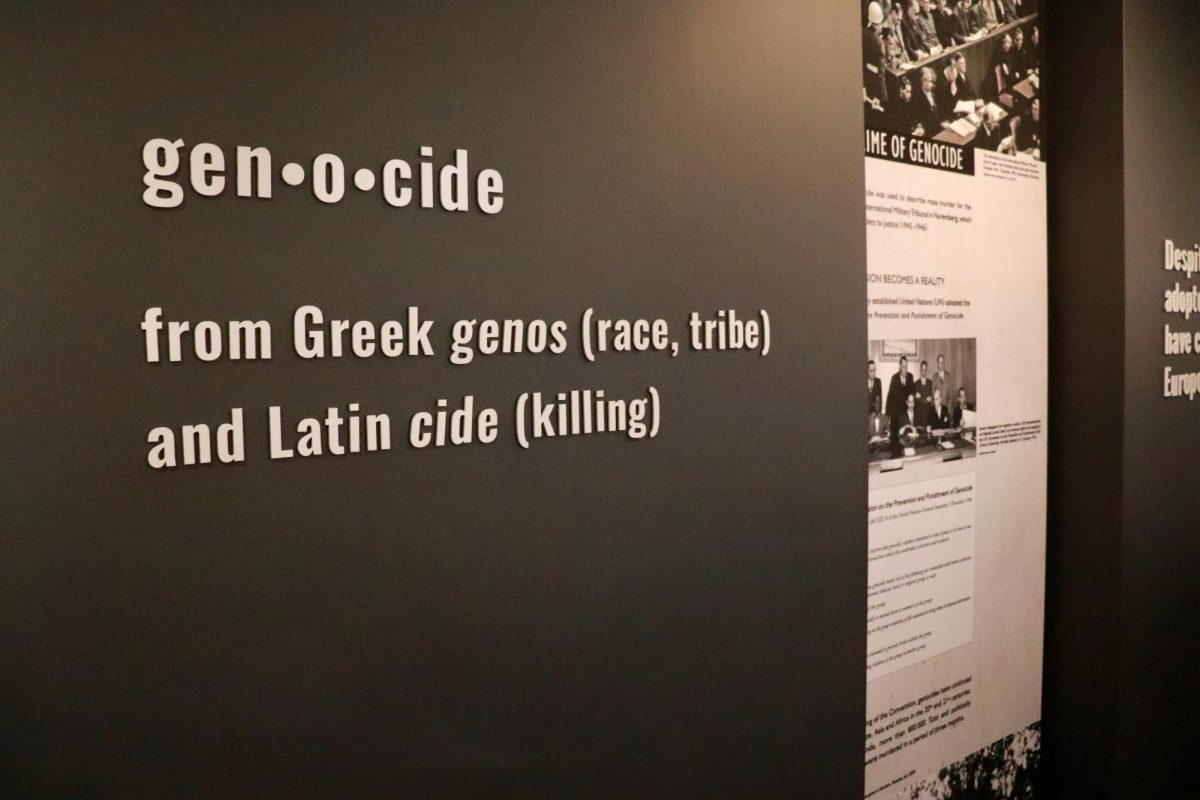












The America250@SJU committee hosted a panel discussion about the National Park Service’s removal of “The President’s House: Freedom and Slavery in the Making of a New Nation” exhibit Jan. 22.
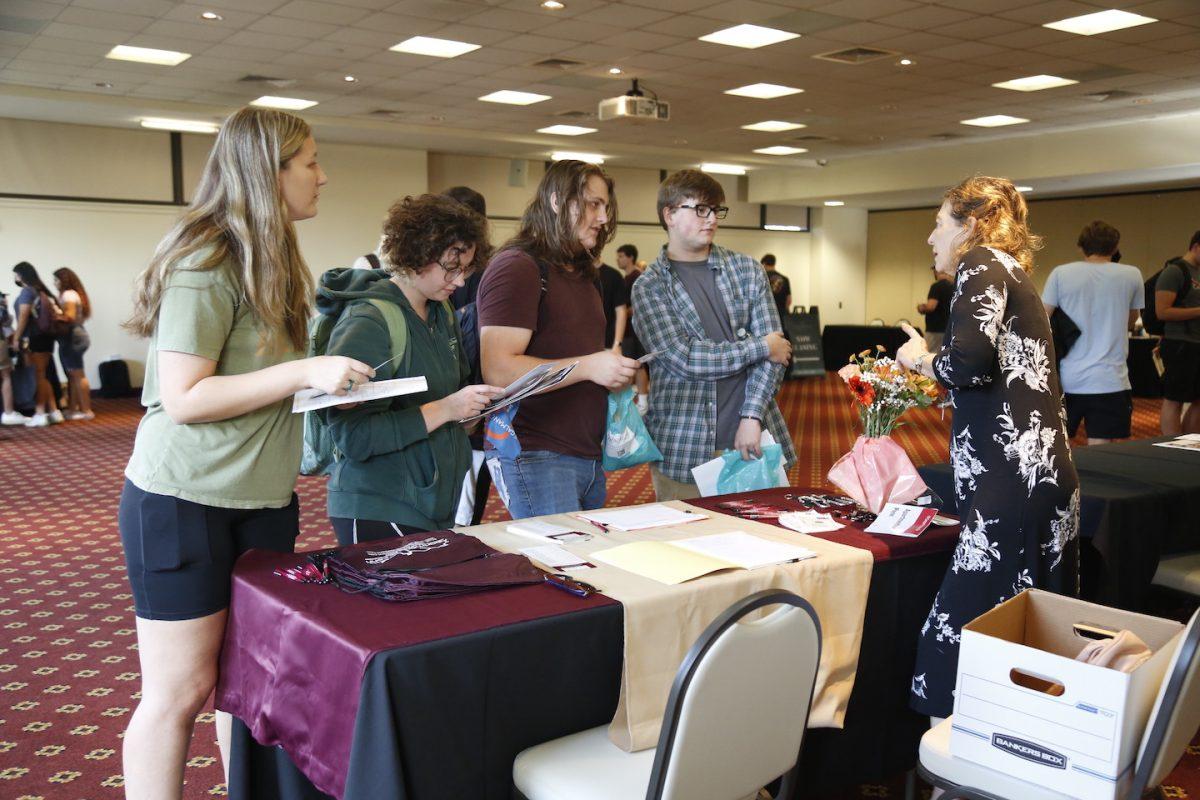
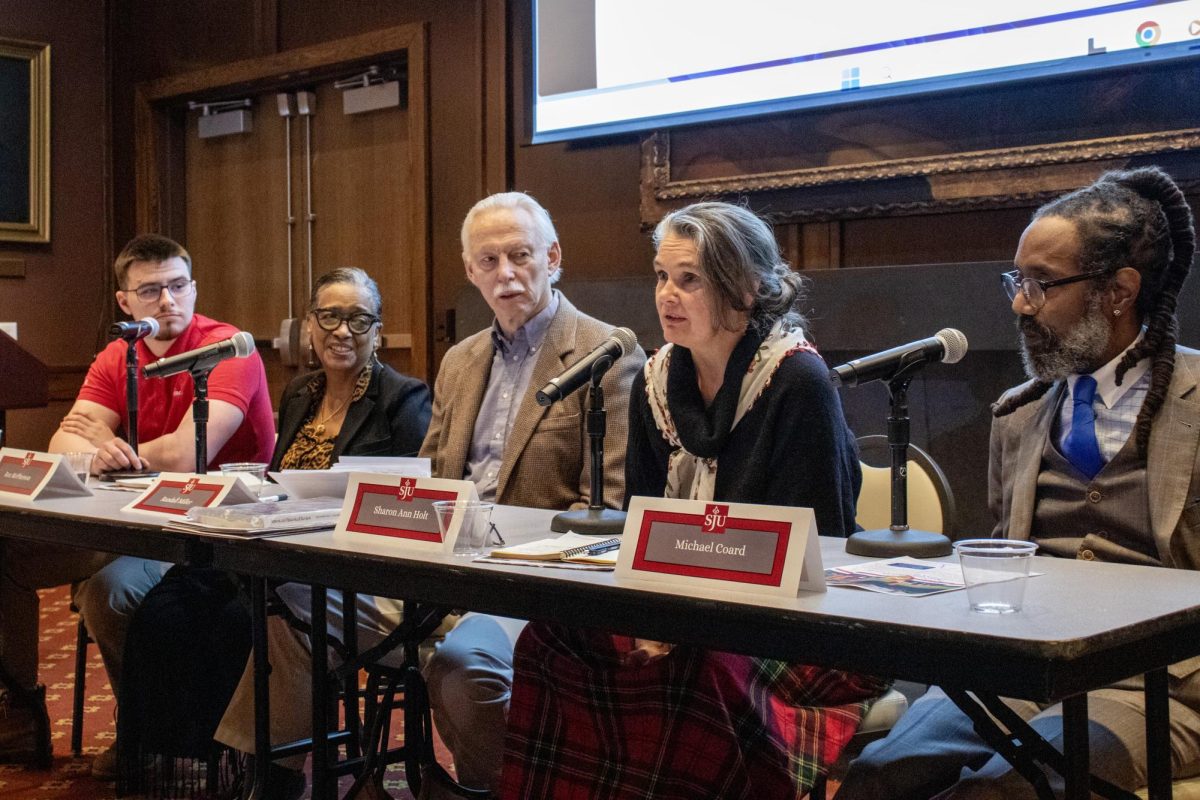
The event — sponsored by the Dan Reimold Fund for Journalism — was held Feb. 11 in the President’s Lounge in Campion Student Center and featured four panelists who played a significant role in establishing the exhibit, which officially opened in 2010.
The exhibit displayed the stories of the nine enslaved people owned by George Washington. U.S. District Court Judge Cynthia Rufe ordered the federal government to reinstate the panels Feb. 16.
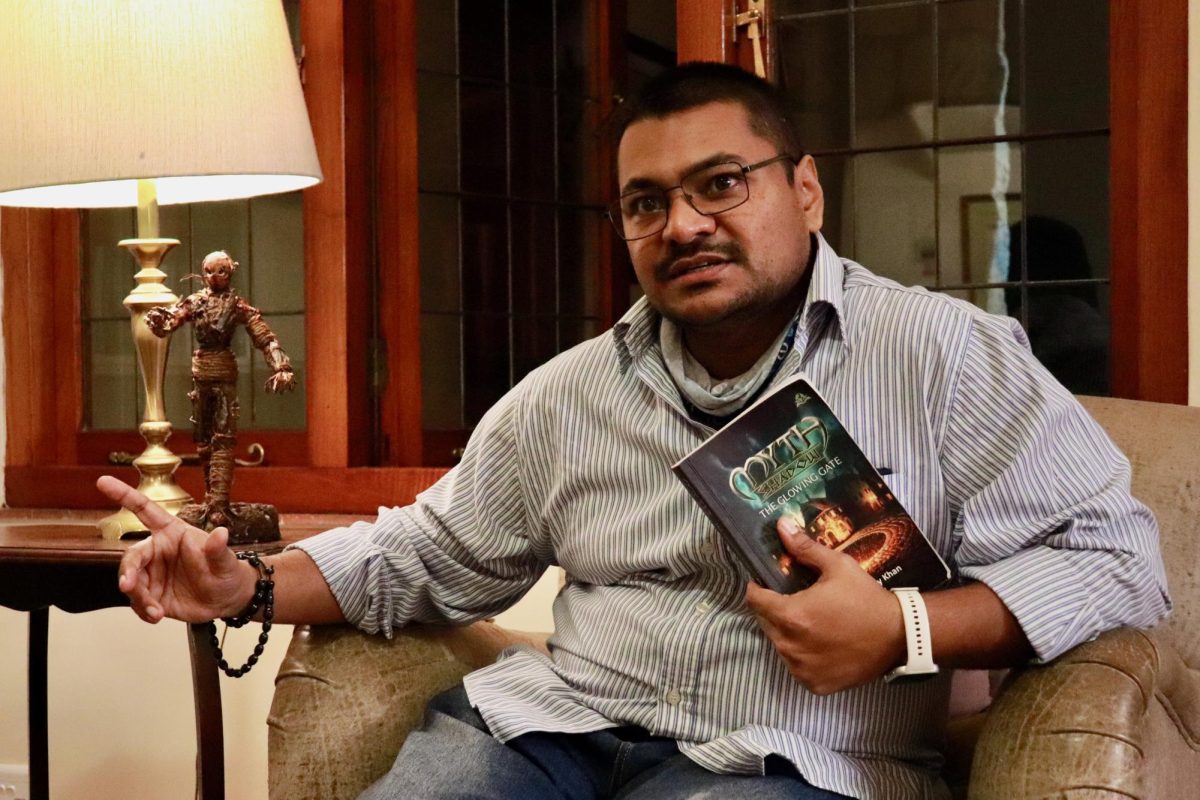
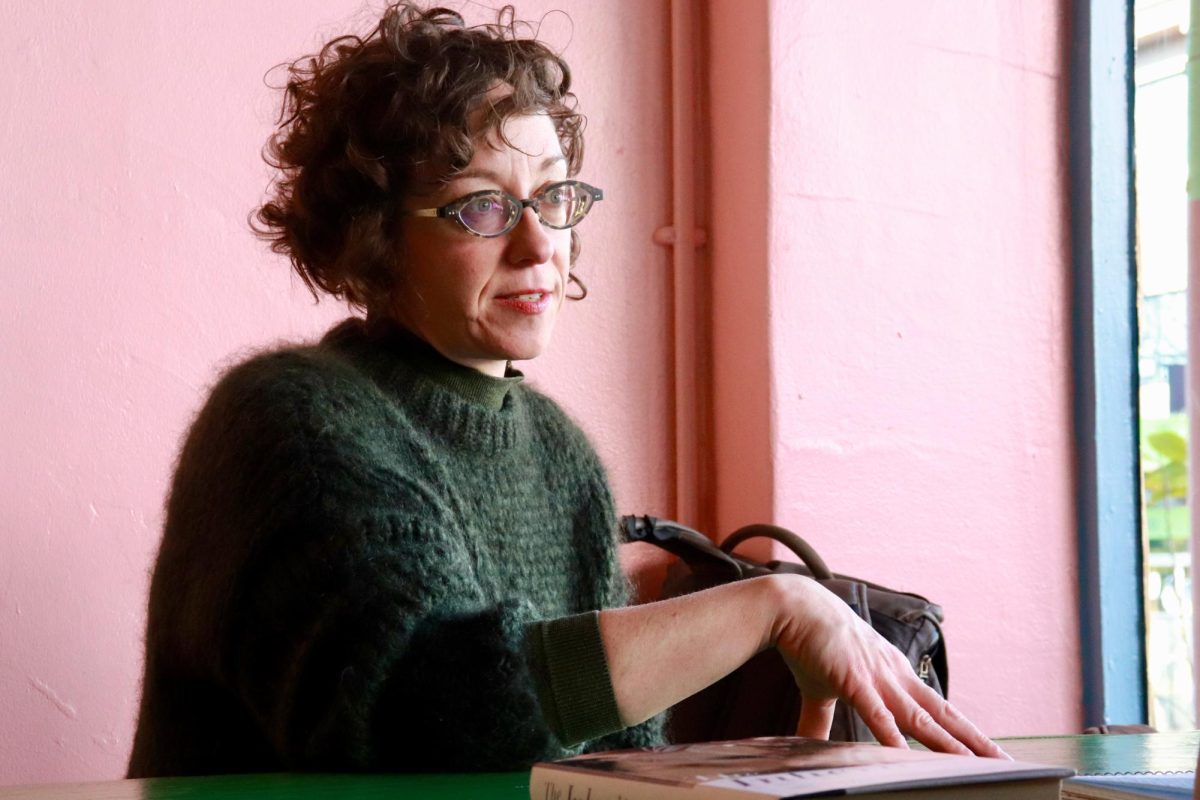
Michael Coard, criminal defense attorney and the co-founder of the Avenging The Ancestors Coalition, Roz McPherson, president of the Roz Group, Sharon Ann Holt, Ph.D., professor of history and public history at Penn State University in Abington and Randall Miller, Ph.D., emeritus professor of history at St. Joe’s, responded to questions by the panel moderator, Luke Sanelli ’26, digital content editor for The Hawk.
Melissa Chakars, Ph.D., professor and chair of history and chair of the America250@SJU committee, said the planning committee had decided in 2025 to invite panelists to talk about the President’s House exhibit as part of a lecture series celebrating America’s semiquincentennial this year.
“They may have been speaking differently I suppose, had the panels not been taken down,” Chakars said. “But because of that, it made it a much timelier event.”
During the panel, Coard said knowing the history of racial inequality in America should prompt a strong response against the injustice that continues today.
“You can’t be Black in America and know about slavery and not be in rage,” Coard said. “You can’t be Black in America and know about sharecropping and not be in rage. You can’t be Black in America and know about the kinds of policing, gerrymandering, lynching and Jim Crow and mass incarceration [and not be in rage].”
McPherson said the plaque was instrumental in forcing people to confront the prominence of slavery in America’s history.
“We watched people realize that slavery was real when they saw the archeology taking place,” McPherson said. “We watched those faces having the ‘aha’ moment. That’s a lesson in authenticity.”
The panelists’ information was useful to attendees like David Bednarz ’27, who said students and community members alike need to stay informed about history unfolding.
“People need to know,” Bednarz said. “People need to know about the story of the nine. People need to know about what’s happening at the President’s House. People need to know what’s going on with these historical sites.”
Holt said the removal of the exhibit is an attempt to present America as perfectly conceived by enslavers, and there is a need for Americans to learn the nation’s true history.
“Let’s tell it all,” Holt said. “Let’s tell it hard. Let’s tell it angry. Let’s tell it true, and let’s make sure that there’s nowhere you can go in this country from now on where you don’t understand that American liberty and American slavery were born twins.”
Bella Privitera ’26 contributed to this story.
