
















In times of economic uncertainty, thrift stores have always been a go-to for bargain hunting. But these days, in large part due to social media trends, you’re just as likely to find $40 Diesel jeans and $30 Coach bags amid those ratty graphic tees and ripped Levi’s.
People of all ages are increasingly turning to consignment and thrifting shops as well as e-commerce platforms for luxury bags, shoes and clothes. In the U.S. alone, the luxury resale market was valued at approximately $8.65 billion in 2024, and it is projected to grow to $13 billion by 2030, according to a Yahoo Finance press release.
Sophia Tatonetti ’25 started thrifting back in 2020 when it first became popular as a TikTok trend. Her typical thrifting habits quickly shifted to designer thrifting and consignment store visits as she entered the professional world.
When Tatonetti needed a new work bag, she turned to the online secondhand designer consignment platform, The RealReal.
“I needed a bag that would last me a really long time,” Tatonetti said. “So, I went on The RealReal to look. I [knew] I would find something good.”
Some of Tatonetti’s favorite finds often come from spontaneous city shops or suburban towns where the inventory has not been picked over. For Tatonetti, shopping for secondhand items allows her to find older pieces where “the quality is a lot better.”
Employees at retail stores in the U.S., such as Plato’s Closet Deptford, in New Jersey, where customers can sell clothes for cash, have observed this increase in designer resale. Dee Phillips said when he first began working at the store in 2022 after his senior year of high school, they wouldn’t take designer items.
“We [couldn’t] price it for what it’s worth,” Phillips said.
The switch to designer items was an initiative spearheaded by a change in shop ownership around two years ago, Phillips said. After this change, Phillips began to notice an uptick in customers asking for higher-end brands.
“Suddenly you’d see five to 10 heads in a day coming in being like, ‘Hey, do you have any Louis Vuitton? Versace?’” Phillips said.
The store now regularly buys and sells high-end items, often brought in by individuals looking to rake in some cash during an economic downturn. Phillips said he has had customers tell him they were not paid during the 2025 government shutdown and were looking to score some extra money from selling their items.
“They’ll tell the backstory and be like, ‘Oh, that was my favorite purse for so long, but I just need to get rid of it because I need the money,’” Phillips said.
Phillips said Plato’s Closet purchased and sold a hot pink fuzzy pair of Golden Goose sneakers for $300, which were originally valued at $1,000. The customer received $150.
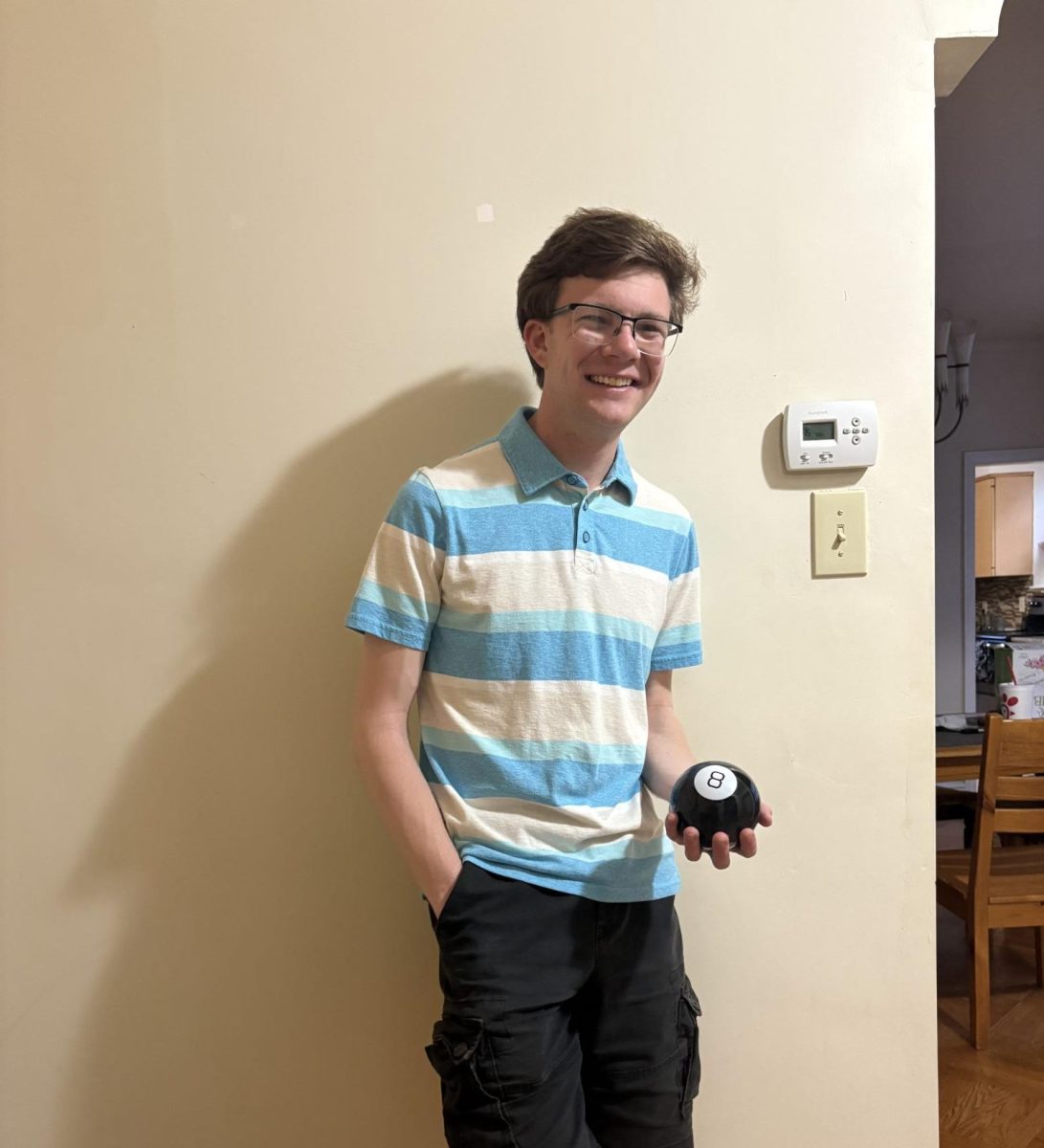
Ben Horrigan ’26 has taken advantage of opportunities to sell his clothes for profit, though his participation in designer resale came before it exploded on TikTok. Horrigan first started reselling in middle school after watching YouTubers flip clothes online.
“I was never great at it, but I saw people doing well, so I decided to give it a try,” Horrigan said.
What started as a hobby eventually became Horrigan’s side hustle. He began saving money from his part-time jobs and buying items he thought he could flip for more.
In line with trends noticed by resale store employees, Horrigan said inflation and rising costs have influenced his ability to buy items to flip.
“I have less free cash to do stuff like that,” Horrigan said, noting that items he used to resell are not as popular as they once were.
With shoppers like Tatonetti seeking archival pieces, sellers like Horrigan looking to make extra cash, and stores like Plato’s closet seeing an increase in designer items, the resale market shows no signs of slowing down. Phillips said he hopes the trend sticks around.
“Ultimately, you’re helping yourself by making money,” Phillips said. “You’re getting that bag or shoes to somebody who’s actually going to use them, and it’s one less thing that has to be manufactured.”